

By Travel Plans Marrakech- Local travel experts creating authentic journeys, private tours, and unforgettable experiences across Morocco.
Moroccan food is one of the best parts of traveling through Morocco. You may arrive thinking about tagine and couscous, but after a few days, you quickly realize that the cuisine goes much further.
Breakfast can begin with warm msemen, honey, olive oil, and mint tea. Lunch may be a slow-cooked tagine shared in the middle of the table. Later, the smell of grilled meat, soup, fresh bread, and spices fills the streets of the medina.
Food in Morocco is connected to family, hospitality, regional traditions, and everyday life. The cuisine reflects a rich mix of Amazigh, Arab-Andalusian, and Jewish culinary traditions that have influenced recipes across the country.
For travelers wondering what to eat, this guide covers the most famous Moroccan dishes, local flavors, street food, sweets, breakfast traditions, and regional specialties worth discovering.
Ready to discover Morocco through its flavors?
Discover Morocco Beyond the Plate
Travel through valleys, villages, and local communities while experiencing the traditions that shape Moroccan cuisine.
What Makes Moroccan Cuisine Unique?
The richness of the cuisine in Morocco comes from its diversity.
Morocco has Atlantic and Mediterranean coastlines, mountain regions, fertile plains, large cities, oasis valleys, and desert communities. These different landscapes have helped create strong regional food traditions.
The country’s culinary identity also reflects several cultural influences. Morocco’s national tourism office describes Moroccan cuisine as drawing from Amazigh, Arab-Andalusian, and Jewish traditions.
Another important part of Moroccan cooking is time.
Many dishes are prepared slowly. Sauces develop gradually, vegetables absorb spices, and meat becomes tender. Tagine and Marrakech’s famous tanjia are good examples.
But perhaps the most important part of Moroccan cuisine is sharing.
Food is rarely only about eating. A meal is also a reason to sit together, talk, welcome guests, and spend time with family.
Famous Moroccan Dishes You Should Try
There are many Morocco traditional dishes, but a few classics are especially worth trying during a first visit.
Tagine
Tagine is probably the most internationally recognized example of Morocco food.
The word refers both to the traditional cooking vessel and the dish prepared inside it. There are many versions, including chicken with preserved lemon and olives, lamb with prunes, kefta with eggs, beef with vegetables, and vegetarian tagines.
The ingredients cook slowly, allowing the sauce to become rich and full of flavor. Morocco’s tourism office describes tagine as one of the country’s emblematic dishes, with versions based on meat, poultry, fish, vegetables, dried fruit, and spices.
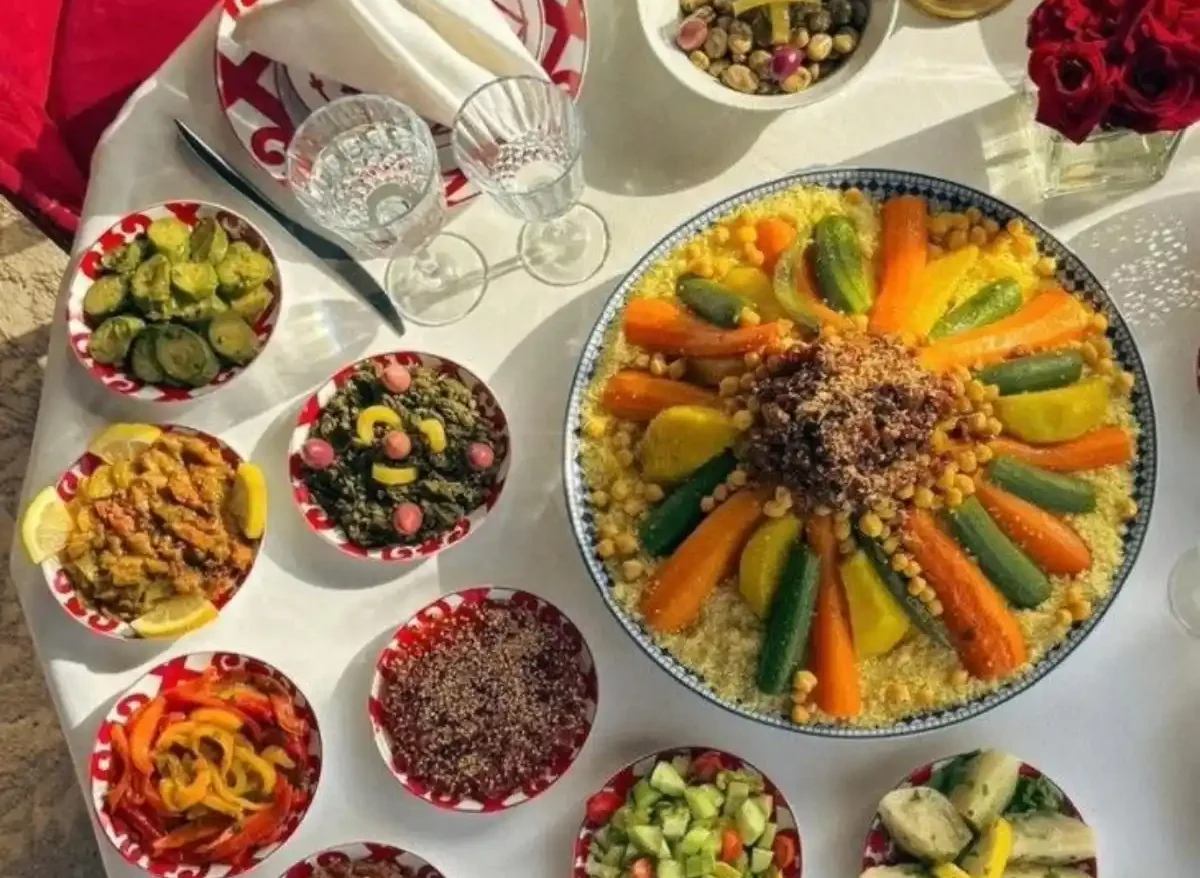
Couscous
Couscous is much more than a side dish in Morocco.
It is usually served as a complete meal with steamed semolina grains, vegetables, broth, and sometimes meat or chicken. Recipes vary between families and regions.
Couscous also has strong cultural and social meaning. The knowledge, know-how, and practices related to its preparation and consumption were inscribed on UNESCO’s Representative List of the Intangible Cultural Heritage of Humanity in 2020 through a joint nomination involving Morocco, Algeria, Mauritania, and Tunisia.
For many travelers, sharing couscous around a family table becomes one of the most memorable food experiences of the trip.
Pastilla
Pastilla is one of the most surprising famous Moroccan dishes.
It combines thin, crisp pastry with a rich filling and a mixture of savory and sweet flavors.
Traditional versions may contain chicken or pigeon, almonds, spices, cinnamon, and sugar. Seafood pastilla is another popular version.
The contrast between the crisp pastry and the soft, fragrant filling makes pastilla different from almost anything else first-time visitors expect to eat in Morocco.
Harira
Harira is a comforting Moroccan soup prepared with ingredients such as tomatoes, legumes, herbs, and spices.
Recipes vary from one family to another.
The soup is especially associated with Ramadan, when it is traditionally served to break the fast.
Outside Ramadan, harira can also be found in local restaurants and small eateries. Served with bread or dates, it can be a simple and satisfying meal.
Tanjia
Tanjia is closely connected to Marrakech.
In Marrakech, you may smell tanjia before you ever see it. Walk near the medina at lunchtime, and the aroma of slow-cooked meat and spices becomes part of the city itself.
Traditionally, seasoned meat is placed inside a clay jar and cooked slowly for several hours. Tanjia is recognized as one of Marrakech’s emblematic culinary specialties.
For visitors staying in Marrakech, this is one dish worth trying locally.
Rfissa
Rfissa is one of the most comforting examples of traditional food in Morocco.
The dish is usually made with chicken, lentils, onions, fenugreek, sauce, and pieces of msemen or trid.
It is rich, soft, fragrant, and deeply satisfying.
Rfissa may be less internationally famous than tagine or couscous, but it is recognized among Morocco’s emblematic dishes and is well worth trying for travelers looking beyond the most obvious choices.
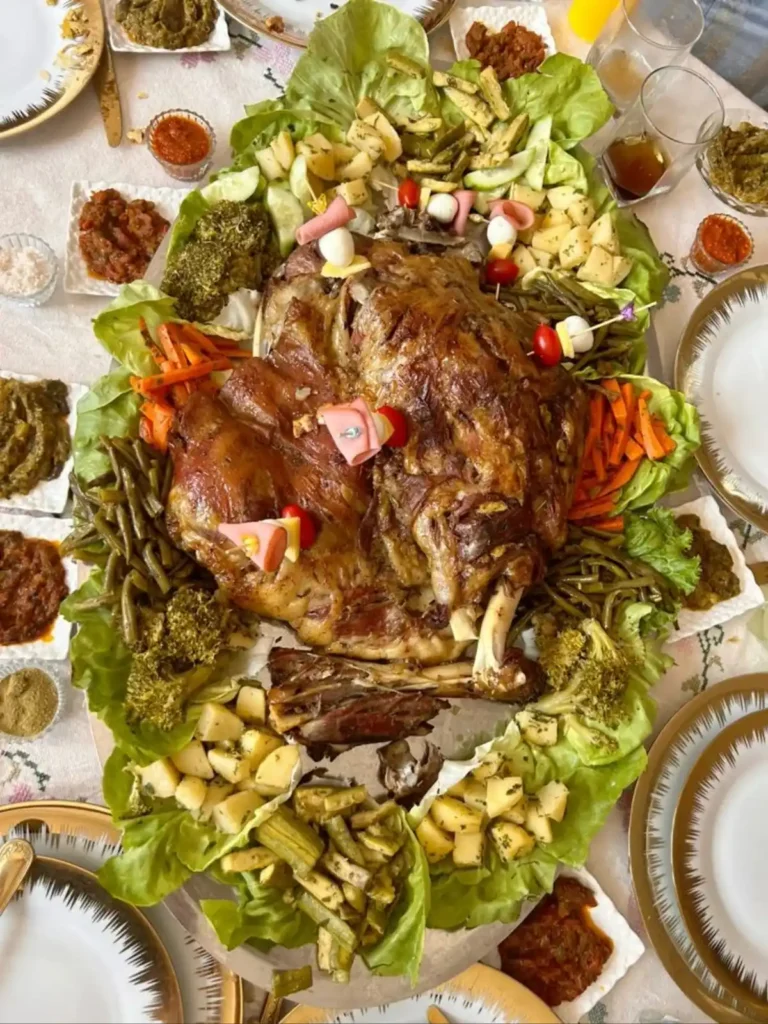
Mechoui
Mechoui is a traditional preparation of slowly cooked lamb or sheep.
The aim is simple: tender, flavorful meat that can be easily pulled apart.
It is often connected with celebrations, large family meals, and special occasions, although it can also be found in traditional restaurants.
In Marrakech, the area around Mechoui Alley is especially known for slow-roasted meat served simply with bread, salt, and cumin.
Want to cook Moroccan food yourself?
Learn traditional recipes, discover local ingredients, and enjoy a hands-on Moroccan cooking experience.
Traditional Breakfast Foods in Morocco
A Moroccan breakfast can be simple or very generous.
A typical table may include fresh bread, olive oil, honey, butter, cheese, eggs, msemen, baghrir, mint tea, and coffee.
Msemen is a layered flatbread with a slightly crisp outside and a soft interior. Baghrir is lighter and filled with small holes that absorb butter and honey.
Breakfast is a good reminder that the best foods in Morocco are not always complicated. Warm bread, local olive oil, honey, and tea can be just as memorable as an elaborate restaurant meal.
For travelers who want to go deeper, joining a Moroccan cooking class in Marrakech is a great way to learn how traditional ingredients and recipes come together.
Moroccan Street Food to Try
Street food is one of the most enjoyable ways to explore Morocco.
Depending on the city, you may find grilled brochettes, kefta sandwiches, maakouda potato cakes, sardines, soups, fresh juices, roasted nuts, and warm sfenj doughnuts.
In Marrakech, the medina and Jemaa el-Fna offer many opportunities to discover street food, particularly in the evening.
Travelers interested in discovering markets, local specialties, and traditional food stalls can also explore a food tour in Marrakech.
The best approach is not to try everything at once. Walk around, observe where locals are eating, and start with something that looks interesting.
Sometimes the most memorable meal of the day is also the simplest.
Taste the Real Morocco
Combine local food, culture, and authentic encounters with a private experience designed around your interests.
Traditional Moroccan Desserts and Sweets
Moroccan sweets are often connected to tea, family visits, religious celebrations, weddings, and special occasions.
Chebakia is one of the most recognizable. This flower-shaped pastry is fried, covered in honey, and strongly associated with Ramadan.
Kaab el ghazal, commonly known as gazelle horns, are delicate pastries filled with almond paste and flavored with orange blossom.
Ghriba cookies come in different varieties, while almond briouates combine a crisp exterior with a sweet filling.
Then there is sfenj.
Simple, warm, and best eaten fresh, these Moroccan doughnuts are a favorite breakfast or snack in many neighborhoods.
Curious about the flavors of Marrakech?
Explore local markets, traditional dishes, and hidden food spots through the city’s culinary culture.
Regional Cuisine in Morocco
One of the mistakes travelers make is assuming that the same food is eaten in exactly the same way throughout the country.
The reality is more interesting.
Traveling through Morocco means discovering regional specialties, different cooking traditions, and new ingredients along the way.
Food in Marrakech
Marrakech is closely associated with tanjia and mechoui.
The medina is also a good place to try Moroccan salads, grilled meats, harira, fresh juices, pastries, and street food.
The city’s food scene moves easily from simple market stalls to family restaurants, traditional riads, rooftops, and modern dining rooms.
Cuisine of Fes
Fes is known for a refined style of Moroccan cooking and for dishes that often combine sweet and savory flavors.
Pastilla is one of the best-known examples.
The city is also associated with khlii, a traditional preserved meat that can be eaten with eggs or incorporated into other recipes.
For travelers interested in traditional Moroccan cuisine, Fes offers a very different experience from the busy street-food atmosphere of Marrakech.
Food in Northern Morocco
Northern Moroccan food reflects the geography and history of the region.
Cities such as Tangier and Tetouan have strong Mediterranean connections. Fish, vegetables, pastries, herbs, and regional versions of national dishes all form part of the local food culture.
The cooking can feel different from the cuisine of Marrakech or the south, while remaining unmistakably Moroccan.
Moroccan Coastal Cuisine
Morocco’s coastal cities offer excellent opportunities to eat fish and seafood.
In places such as Essaouira, travelers can enjoy grilled fish, sardines, seafood pastilla, and fish tagine.
A private day trip to Essaouira is an easy way to combine coastal culture, history, and fresh seafood during a stay in Marrakech.
After several days of rich meat dishes and tagines, a simple plate of fresh grilled fish beside the Atlantic can be exactly what you nee
Food of Southern Morocco
Southern Morocco offers another side of the country’s culinary identity.
Dates, bread, couscous, slow-cooked meat, local herbs, nuts, and other products shaped by oasis and desert life can appear in regional cooking.
Recipes naturally change between the valleys, desert communities, oasis towns, and Amazigh villages of the south. For travelers, eating in a guesthouse or family-run accommodation can sometimes provide a more memorable experience than choosing the longest restaurant menu.
Food traditions change from Marrakech and Fes to the Atlantic coast, Atlas Mountains, and Sahara, making regional cuisine an important part of any journey through the country.
Taste Morocco by the Atlantic.
Escape to Essaouira for fresh seafood, ocean views, and a relaxed day on Morocco’s Atlantic coast.
What Do Moroccans Eat in a Typical Day?
There is no single daily menu followed by every Moroccan family.
Habits depend on the city, region, family, season, and work schedule.
A day may begin with bread, olive oil, tea, coffee, msemen, or another simple breakfast.
When schedules allow, lunch can be the main meal. It may include salads followed by tagine, couscous, fish, meat, or another family dish.
Tea can appear at almost any moment.
It may be served with biscuits, bread, msemen, nuts, or pastries.
Dinner varies widely. Some families prefer soup, eggs, leftovers, or another simple meal, while others have a larger dinner.
Everyday Moroccan eating is much broader than restaurant menus suggest.
Moroccan Food Culture and Hospitality
You cannot fully understand Moroccan cuisine by looking only at ingredients.
You also have to look at the table.
Offering tea or food is an important gesture of welcome. Meals create time for people to sit together, talk, and share.
Shared dishes are common, especially in family settings. Instead of receiving individual plates for every course, people may eat together from a central dish.
For visitors, the best approach is simple: relax, observe, and enjoy the moment.
A Moroccan meal is rarely only about eating quickly and moving on to the next activity.
Often, the meal itself is the experience.
Ready to discover Morocco through its flavors?
Let us create a private journey combining local food, culture, markets, and authentic Moroccan experiences.
Best Ways to Experience Moroccan Food in Morocco
The best way to discover Moroccan cuisine is to mix different experiences.
Eat in a traditional restaurant, but also try a small neighborhood café. Visit a market. Have breakfast in a riad. Taste street food. Try fresh fish in a coastal city and regional dishes in the places where they are best known.
A cooking class can help you understand ingredients and preparation techniques.
A food tour can introduce you to markets and specialties you might not find alone.
Travelers who want to discover more of the country can also plan a journey through Morocco combining regional cuisine, culture, landscapes, and local experiences.
Most importantly, stay curious.
Some of the best things you eat in Morocco may be dishes you had never heard of before arriving.
Turn Your Food Journey Into a Moroccan Adventure
From city flavors to mountain villages and coastal cuisine, discover Morocco through experiences that go far beyond the table.
Final Thoughts
Moroccan food is not one dish, one spice, or one restaurant experience.
It is a bowl of harira on a cool evening. It is couscous shared around a family table. It is warm bread dipped into a tagine sauce. It is the smell of grilled meat in the medina, fresh fish near the Atlantic, sweet pastries with tea, and a clay jar of tanjia slowly cooking in Marrakech.
The best way to discover traditional food in Morocco is to taste widely and travel with an open mind.
Try the famous dishes, of course. Order tagine, couscous, pastilla, and harira. But leave room for the foods you do not recognize immediately. Ask what is seasonal. Try a regional specialty. Visit a market. Sit down for tea.
Because in Morocco, food is not simply something you eat between visits.
Very often, it becomes one of the memories you take home.
FAQs
About Moroccan Food
What is the most famous Moroccan food?
Tagine and couscous are among the most famous Moroccan dishes. Other popular traditional foods include pastilla, harira, rfissa, mechoui, and tanjia, a specialty closely associated with Marrakech.
What food should I try in Morocco?
First-time visitors should try tagine, couscous, pastilla, harira, rfissa, and regional specialties. Street foods such as maakouda, grilled brochettes, sfenj, and fresh seafood are also worth trying.
Is Moroccan food spicy?
Moroccan food is usually aromatic rather than extremely hot. Spices such as cumin, ginger, cinnamon, paprika, saffron, and coriander are used to create balanced flavors. Some dishes and sauces can be spicy, but heat is not the main characteristic of Moroccan cuisine.
What do Moroccans eat for breakfast?
A traditional Moroccan breakfast may include bread, msemen, baghrir, olive oil, honey, butter, cheese, eggs, mint tea, or coffee. Breakfast varies between homes, regions, cafés, and family traditions.
What is the most traditional food in Morocco?
Couscous is one of Morocco’s most symbolic traditional foods, while tagine is one of its most internationally recognized dishes. However, traditional food in Morocco varies greatly by region, season, and family tradition.
Is Moroccan food suitable for vegetarians?
Yes. Moroccan cuisine includes many vegetable-based dishes such as vegetable tagine, couscous with vegetables, zaalouk, taktouka, lentil dishes, salads, and soups. Travelers with dietary restrictions should still ask how a dish is prepared, as recipes can vary.
Get In Touch
Error: Contact form not found.
Contact Us
Phone / Fax: +212 5 24 32 66 88
Mobile: +212 6 08 85 10 10
Whatsapp: +212 6 08 87 20 20
Email: travelplansmarrakech@gmail.com
Opening Hours
Mon - Sat: 9.00 am - 8.00 pm
Sunday: 9.00 am - 6.00 pm
Our Office
13 bis talaint ain itti nakhil nord، 40060 Marrakech



 EN
EN FR
FR ES
ES IT
IT