

Written by Travel Plans Marrakech
Local Travel Experts in Morocco. Our Marrakech-based team designs guided tours, custom itineraries, and authentic Moroccan experiences
The souks of Marrakech are loud, colorful and full of life: spices, lamps, leather and rugs, all inside the winding alleys of the Medina. For first-time visitors they are exciting but easy to get lost in, so a little preparation helps a lot. This guide covers Marrakech souk opening hours, the best souks to visit, what to buy, how to bargain and how to explore with confidence.
- Opening hours: most shops open around 9:00–10:00 AM and close around 8:00–9:00 PM. There is no official timetable, so each shop sets its own hours.
- Sunday: yes, the souks are open, though some shops start a little later.
- Friday: many shops open late or close around midday prayers, then reopen in the afternoon.
- Best time: 9:30–11:00 AM for fewer crowds, or early evening for atmosphere.
- Best souks: Souk Semmarine, Souk el Attarine, Rahba Kedima and Souk Chouari.
- Bargaining: expected in traditional souks. Stay friendly and be ready to walk away.
Here’s the full breakdown, section by section:
- Loading sections…
Marrakech Souks Opening Hours
The souks do not follow one official schedule. Each shop sets its own hours, but the pattern is consistent enough to plan around.
| Day | What to expect |
|---|---|
| Monday–Thursday | Open all day, roughly 9:00–10:00 AM to 8:00–9:00 PM |
| Friday | Many shops open late or close around midday prayers and reopen in the afternoon. Some artisans do not work. Friday morning is the weakest time to shop. |
| Saturday | Open and busier with weekend visitors |
| Sunday | Open, often starting around 10:00 AM. Busy with weekend visitors. |
| Ramadan | Daytime hours shift: many shops open later, and trade is busiest after iftar, into the evening and night |
| Eid holidays | Many shops close for the first days of Eid |
The famous souks near Jemaa el-Fnaa, such as Souk Semmarine, tend to stay open longest, often into the evening. Craft workshops and quieter alleys usually wind down earlier. For the best mix of open shops and calm streets, plan your main visit for a weekday morning or a Saturday, and avoid Friday morning. If you travel during the fasting month, read our guide to visiting Marrakech during Ramadan.
What Are the Souks of Marrakech?
The word souk simply means “market” in Arabic, but in Marrakech, it represents something far more immersive. The souks of Marrakech are not just places to shop—they’re cultural institutions that have thrived for centuries. Spread across the labyrinthine alleys of the Medina, these markets are a cornerstone of local life, offering a rich tapestry of sights, sounds, and scents that reflect Morocco’s diverse heritage.
Historically, Marrakech was a central trading hub for merchants traveling across Africa, Europe, and the Middle East. Caravans would arrive loaded with goods—spices, silks, ceramics, and leather—transforming the Medina into a thriving economic heart. Over time, distinct souks developed, each specializing in different crafts. To this day, you’ll find entire streets dedicated to specific trades, from blacksmiths and tanners to herbalists and jewelers.
Each souk has its own name and atmosphere. For example, Souk Semmarine is known for textiles and clothing, while Souk el Attarine focuses on perfumes and spices. These markets aren’t just tourist attractions—they remain vital to the daily rhythm of Marrakech, serving locals who come for essentials and artisans who preserve traditional methods passed down through generations.
Understanding this backdrop is key to appreciating the authenticity of what you’ll find. This Marrakech souks guide is designed to help you navigate not just the physical maze, but also the cultural significance behind what you see. When you walk through these markets, you’re stepping into a living history book—one that continues to evolve, shaped by both locals and curious travelers like you.
From centuries-old trade routes to modern-day haggling, the souks remain the beating heart of Marrakech. Let this Marrakech souks guide help you experience them with intention and insight.
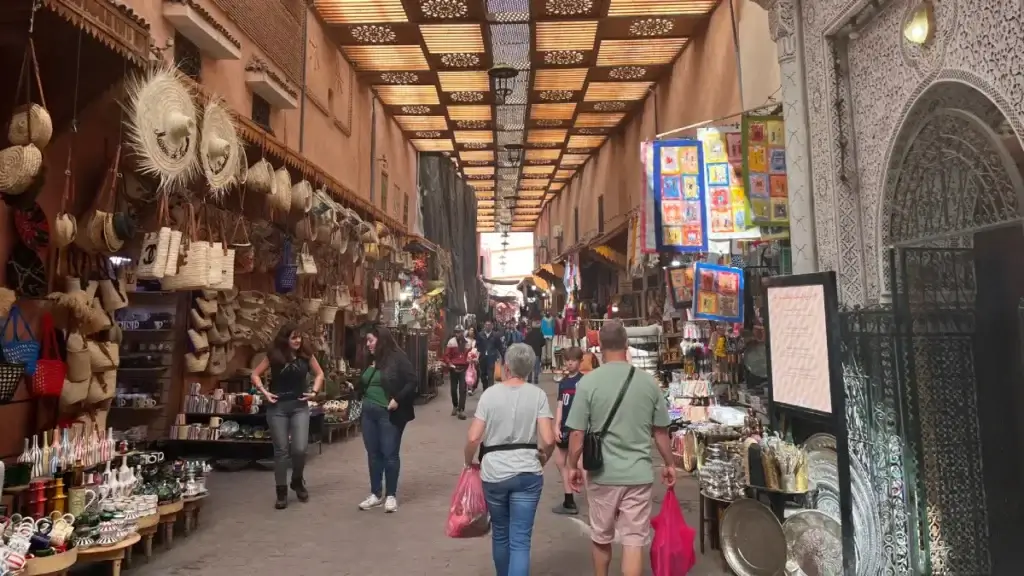
Most of the markets sit inside the Medina, the old walled city and a UNESCO World Heritage Site. The usual starting point is Jemaa el-Fnaa, the main square. Dozens of alleys lead north from it into the souks.
| Souk | Known for |
|---|---|
| Souk Semmarine | Textiles, babouches and lanterns, in a wide and colorful main alley |
| Souk el Attarine | Spices, perfumes, natural beauty products and herbal remedies |
| Rahba Kedima | The “Old Square”: spice pyramids and woven baskets, more relaxed |
| Souk el Kebir and Souk Smata | Leather goods and traditional slippers |
| Souk Chouari | Wooden crafts and handmade furniture |
| Mellah (Jewish Quarter) | Metalworkers, antique dealers and less touristy streets |
How to Navigate the Souks Without Getting Lost
- Start at Jemaa el-Fnaa and follow the main alleys first, then explore side streets.
- Download an offline map before you go, because GPS can be unreliable in the Medina.
- Note a landmark near your riad or exit, and take a photo of the street name.
- Watch for motorbikes and handcarts in the narrow alleys.
- If you are lost, ask a shopkeeper for directions to the main square. Be careful with anyone who says a street is “closed” and offers to lead you elsewhere.
A private local guide removes the stress. See our Marrakech private guides or explore private tours in Marrakech.
Must-Buy Items in the Marrakech Souks
One of the most exciting parts of visiting the souks is the sheer variety of unique and handcrafted treasures you’ll discover. From intricate textiles to fragrant spices, the markets are packed with goods that reflect Morocco’s deep artisanal heritage. This Marrakech souks guide highlights the must-buy items that are both authentic and worth packing in your suitcase.
Moroccan Rugs and Carpets
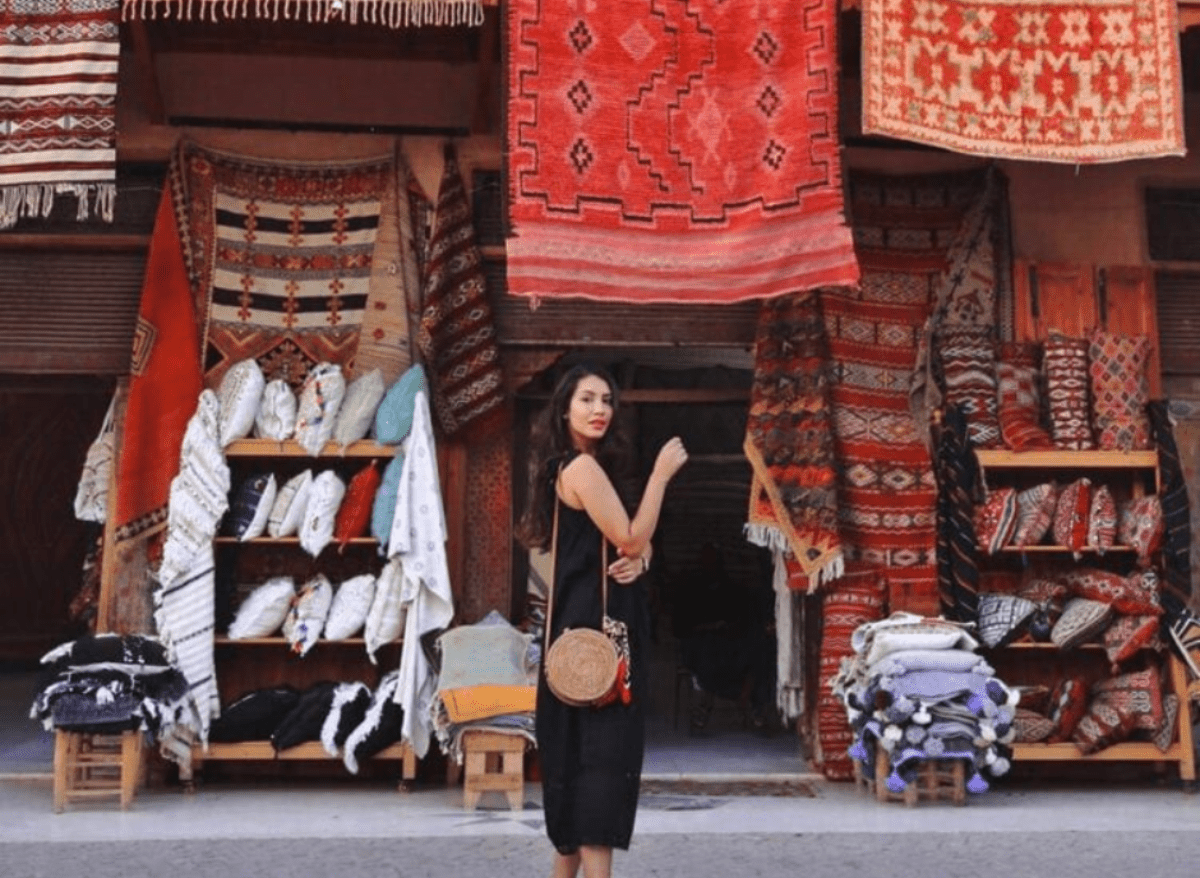
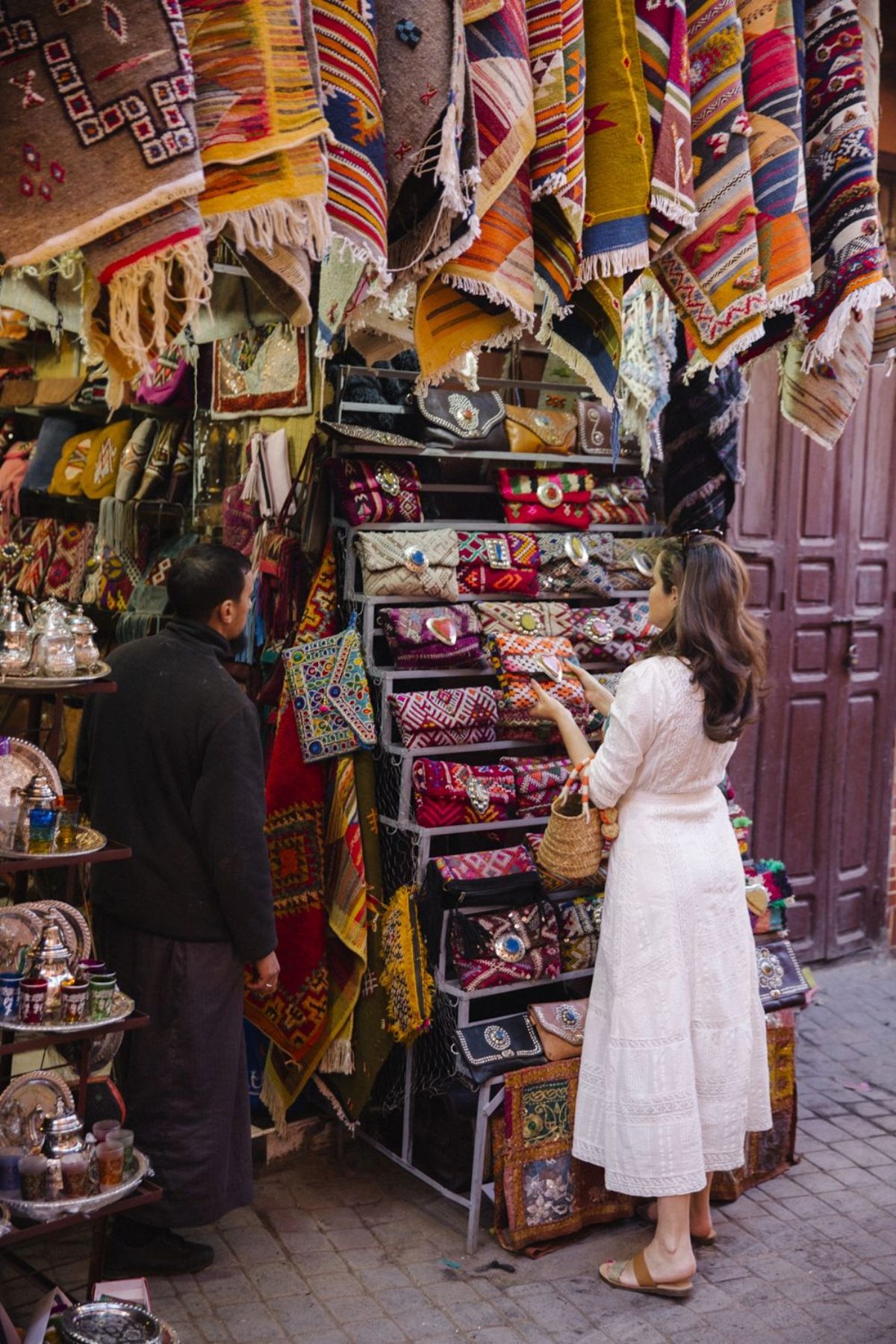
Handwoven Berber rugs are among the most iconic souvenirs. Each piece tells a story through its symbols and colors. Look for shops that showcase artisans at work and ask about the origin of each rug—many come from the Atlas Mountains.
Leather Goods
Marrakech is famous for its traditional tanneries, especially in the Bab Debbagh area. You’ll find everything from leather bags and jackets to wallets and handmade slippers known as babouches. Quality varies, so inspect stitching and smell the leather for authenticity.
Lanterns and Metalwork
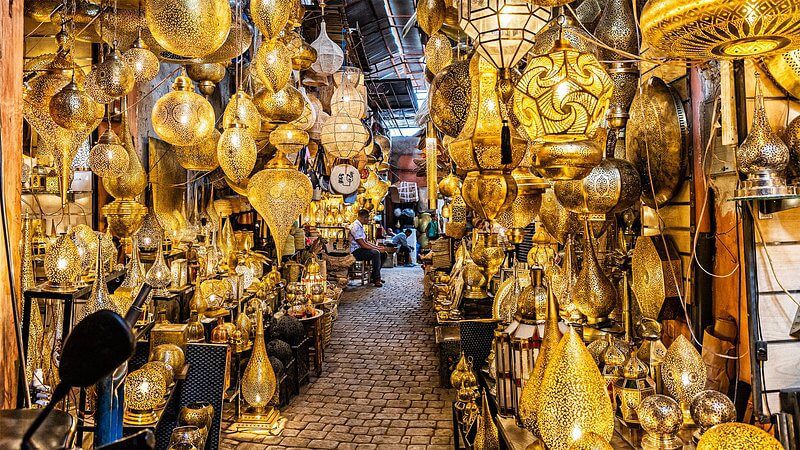
Decorative lanterns made from brass or copper add a touch of Morocco to any home. Choose between intricate filigree patterns and stained-glass designs. Artisans often work right in their shops, and watching them hammer patterns by hand is a treat.
Spices and Argan Oil
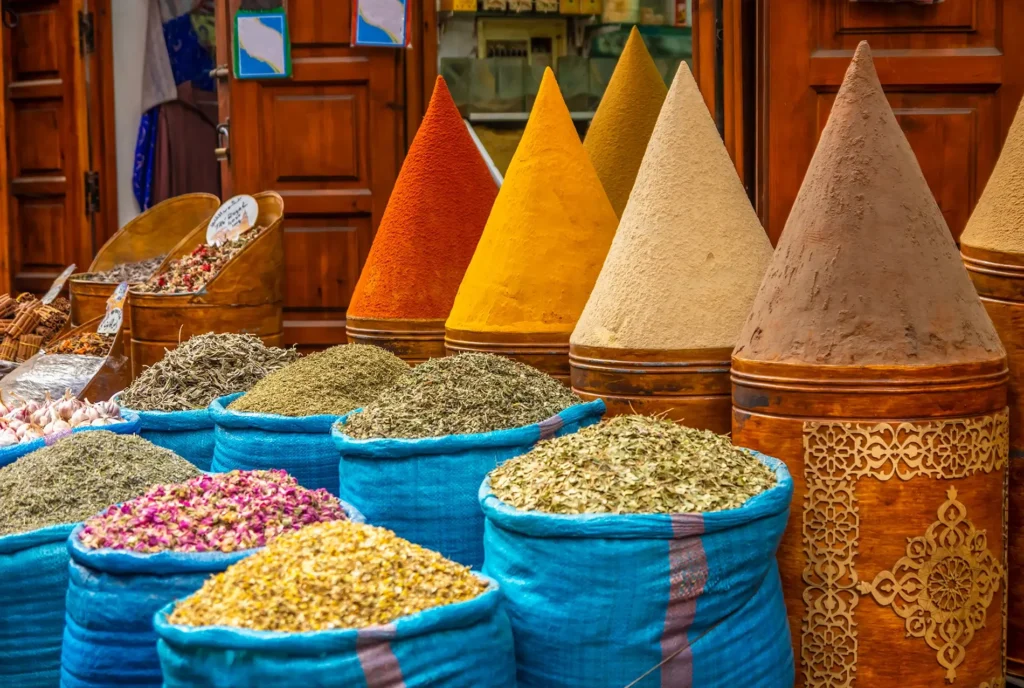
Souks like Souk el Attarine offer dazzling spice pyramids and bottles of high-quality argan oil. Buy whole spices like cinnamon sticks, saffron, and cumin for freshness. Argan oil should be cold-pressed and stored in a dark bottle.
Ceramics and Pottery
Brightly painted bowls, tagines, and cups come from nearby cities like Safi and Fez. These are excellent gifts and home décor items—just make sure they’re properly glazed if you plan to use them for food.
Use this Marrakech souks guide to shop wisely and support local artisans. Every item you buy carries centuries of tradition and craftsmanship.
Compare prices in several shops before you buy, and ask where each item was made. If you buy large items such as rugs or lanterns, ask the shop about shipping, or plan your return with a private airport transfer with room for luggage. For fixed-price shopping to compare against, the Ensemble Artisanal craft center on Avenue Mohammed V is a useful reference.
How to Bargain in the Marrakech Souks
Bargaining is expected in traditional souks. First prices are often two or three times what locals would pay, so a friendly negotiation is part of the experience.
- Greet first. A simple “salam” sets a friendly tone before you ask any price.
- Check prices in a few shops. This shows you the real range for the item.
- Do not show too much interest. Look calm, even if you love the item.
- Make your own offer. As a rough guide, start around half of the first price and move up slowly.
- Be ready to walk away. Politely leaving is often what produces the best price.
- Only bargain if you want to buy. Agreeing on a price means you commit to it.
- Carry small notes. Paying with small bills avoids “no change” delays.
Safety and Common Scams in the Souks
The souks are generally safe, and most vendors are friendly. A few habits make the visit smoother:
- Politely decline unofficial guides who offer help or say a street is closed. Official guides carry a government-issued badge.
- Agree prices before you accept a service, a photo with a performer or a taxi ride.
- Keep bags closed and valuables in front of you in crowded alleys.
- Do not follow strangers to a “special” workshop or a hidden rooftop.
- Stay aware of motorbikes in narrow lanes.
For more tips, read is Marrakech safe for tourists.
Cultural Etiquette & Respect in the Souks
Respecting local customs is just as important as finding the best deals in the souks. Moroccan culture is warm and welcoming, but it’s also deeply rooted in tradition. To ensure a positive experience for both you and the locals, this Marrakech souks guide outlines essential etiquette tips for navigating the markets with cultural sensitivity.
Dress Modestly
While Marrakech is relatively tolerant, modest dress is appreciated—especially in the Medina. Women should aim to cover shoulders and knees, and men should avoid going shirtless or wearing tank tops. Loose, breathable clothing is ideal for both comfort and respect.
Ask Before Taking Photos
The souks are incredibly photogenic, but not everyone wants their picture taken—especially artisans and shopkeepers. Always ask permission first. Some may ask for a small tip in exchange for a photo, which is a normal and respectful practice.
Greet Before You Browse
A simple “Salam alaikum” (peace be upon you) goes a long way. Moroccan vendors appreciate when you greet them before diving into negotiations or asking prices. It sets a friendly tone and shows basic cultural awareness.
Use Your Right Hand
In Moroccan culture, the right hand is considered the clean hand for eating, giving, and receiving items. When handling products or making payments, try to use your right hand out of respect.
Accept Tea Graciously
If a vendor offers you mint tea, it’s more than just a refreshment—it’s a sign of hospitality. You’re not obligated to buy anything, but it’s polite to accept and enjoy the gesture, even if only briefly.
For clothing ideas, see our guide on what to wear in Marrakech.
Best Time to Visit the Marrakech Souks
Timing your visit to the souks can significantly enhance your experience. While the markets are open year-round, certain times of day, week, and year offer a more enjoyable and authentic atmosphere. This Marrakech souks guide breaks down the best times to go shopping and soak in the local energy without the stress.
Time of Day: Morning vs. Evening
Early morning, around 9:30–11:00 AM, is ideal if you want to browse without large crowds. Vendors are setting up, and the heat is still mild. Plus, there’s a cultural belief that a vendor’s first sale of the day brings good luck—so you might get a better deal!
Afternoons can be hot and crowded, especially in summer. By early evening, the souks take on a magical quality—lanterns are lit, the call to prayer echoes through the Medina, and locals come out to shop. It’s more chaotic, but also more atmospheric.
Days of the Week
Most shops in the souks are open seven days a week, though some may close Friday afternoons for prayer. Saturday and Sunday are busier due to weekend tourism. For a calmer experience, try visiting mid-week.
Best Seasons to Visit
Spring (March–May) and autumn (September–November) offer the best weather—sunny but not too hot. Summer can be intense, with temperatures soaring above 40°C (104°F), which can make shopping in tight alleys uncomfortable. Winter is cooler and quieter but still vibrant.
Consider Local Holidays
During Ramadan, many vendors may close during the day and reopen at night. Shopping during this time can still be rewarding, but hours are less predictable.
For the most pleasant experience, this Marrakech souks guide recommends planning your visits during cooler seasons and early in the day—when the souks truly come to life.
Local Guided Tours vs. Exploring Alone
When it comes to navigating the winding alleys and hidden gems of Marrakech’s markets, you have two choices: go solo or hire a guide. Each option offers a different kind of experience, and this Marrakech souks guide will help you decide which one suits your style of travel.
Exploring Alone: The Adventurer’s Path
Wandering the souks solo is thrilling. You set your own pace, follow your curiosity, and stumble upon shops and stalls you might otherwise miss. It’s perfect for independent travelers who enjoy the excitement of getting a little lost. Just be prepared for the maze-like layout—Google Maps can be unreliable in the Medina.
Going alone allows you to take your time, haggle on your terms, and connect organically with local shopkeepers. If you’ve read this Marrakech souks guide, you’ll already have a solid foundation to navigate confidently and respectfully.
Hiring a Local Guide: Insider Access
A licensed local guide can elevate your experience by offering deep cultural context, translation help, and access to artisans hidden from the tourist crowds. Guides often take you to workshops where you can watch craftsmen make pottery, textiles, or leather goods in real time.
They’ll also help you avoid common scams, navigate more efficiently, and even assist with price negotiations. If you’re short on time or visiting for the first time, a guide can make your journey smoother and more insightful.
Pro Tip: Look for official guides with government-issued badges. Avoid “unofficial” street guides who may lead you into high-pressure sales situations.
Choose what suits your style: independent discovery or a local expert beside you. If you would like a guide who knows the best workshops, our team can arrange a private guide in Marrakech, with a driver if you want to combine the souks with other places.
Conclusion
Your Journey Through the Marrakech Souks
The souks of Marrakech are more than just a place to shop—they’re a living, breathing expression of Morocco’s culture, history, and daily life. From the scent of spices in the air to the rhythm of craftsmen hammering metal, every corner of the Medina tells a story. This Marrakech souks guide was created to help you not only navigate the markets, but to truly appreciate the magic behind them.
Whether you’re seeking handwoven rugs, authentic spices, or one-of-a-kind lanterns, the souks offer treasures for every taste and budget. But the real value isn’t just in what you buy—it’s in the conversations, the colors, the unexpected alleyways, and the small moments of connection with local artisans. It’s in sipping mint tea while haggling with a shopkeeper or getting lost and discovering a quiet courtyard bursting with color and life.
Throughout this Marrakech souks guide, we’ve explored everything from cultural etiquette and bargaining tips to the best snacks, safety advice, and even when to visit. By approaching the souks with curiosity, respect, and a bit of preparation, you’ll not only avoid common tourist traps—you’ll come away with a deeper understanding of Moroccan culture and craftsmanship.
So take your time, stay open to surprises, and don’t be afraid to get a little lost. The souks aren’t meant to be rushed—they’re meant to be felt. Let this Marrakech souks guide serve as your compass, but remember: the best moments often come when you put the map away and follow your senses.
Your journey through the heart of Marrakech begins now. Happy exploring—and may your bags return home a little heavier and your heart a little fuller.
Travel Plans Marrakech's Tour Tips
Frequently Asked Questions
Are the Marrakech souks open on Sunday?
Yes. The souks in the Medina are open on Sunday, though some shops start a little later than on weekdays. Sunday is busier with weekend visitors.
What time do the souks open and close in Marrakech?
Most shops open around 9:00–10:00 AM and close around 8:00–9:00 PM. Each shop sets its own hours, and the busiest souks near Jemaa el-Fnaa stay open longest.
Are the souks open every day?
Yes, most are open daily. On Friday many shops open late or close around midday prayers and reopen in the afternoon, and hours change during Ramadan and Eid.
Which are the best souks in Marrakech?
Souk Semmarine for textiles and slippers, Souk el Attarine for spices and perfumes, Rahba Kedima for baskets and spices, and Souk Chouari for woodwork. All start close to Jemaa el-Fnaa.
What is the best time to visit the souks?
Around 9:30–11:00 AM for fewer crowds and cooler weather, or early evening for atmosphere. Spring and autumn have the best weather.
Can I explore the souks without a guide?
Yes, many visitors do. A licensed guide helps with navigation, hidden workshops and price negotiation. See our private guides.
Is bargaining expected in the souks?
Yes, in traditional souks. Stay friendly, compare prices in a few shops and be ready to walk away politely.
What should I wear in the souks?
Modest, loose and breathable clothing, with covered shoulders and knees, and comfortable closed shoes. See what to wear in Marrakech.


 EN
 FR
 ES
 IT