
By Travel Plans Marrakech – Local Morocco Travel Experts
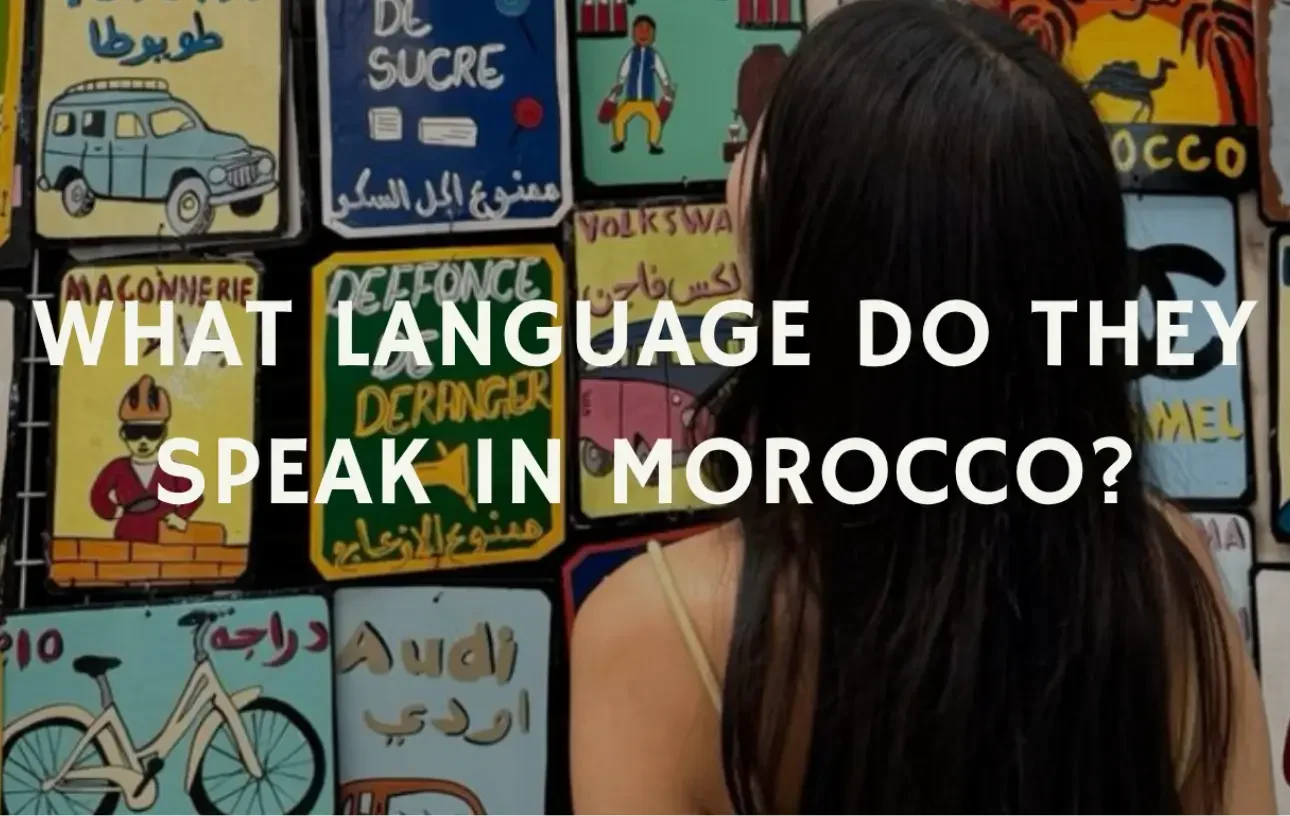
When planning a trip to Morocco, one of the first questions many travelers ask is simple: what language do they speak in Morocco? The answer is more interesting than many visitors expect. Morocco is a rich, multilingual country where history, culture, trade, tourism, and local identity meet through language. From the busy souks of Marrakech to the blue streets of Chefchaouen, from the Sahara Desert to the Atlantic coast, you will hear a beautiful mix of Arabic, Amazigh, French, English, and sometimes Spanish.
This Morocco language guide is designed for travelers who want clear and practical information before visiting the country. You do not need to speak Arabic to enjoy Morocco, but understanding the language situation can make your journey easier, warmer, and more meaningful. A few simple words can help you connect with local people, show respect, and enjoy more authentic moments during your stay.
The Morocco language scene is also part of the country’s identity. Arabic and Amazigh are the official languages, while Moroccan Arabic, known as Darija, is the language most people use in daily life. French is widely used in business, tourism, restaurants, hotels, and many services. English is growing quickly, especially in popular travel destinations such as Marrakech, Casablanca, Fes, Agadir, Essaouira, and the desert regions.
In this guide, you will learn what language is spoken in Morocco, what the official language of Morocco is, what language Moroccans speak every day, and which words are useful for travelers. Whether you are visiting Morocco for a city break, a desert tour, a family holiday, or a cultural adventure, this Morocco language guide will help you feel more prepared, confident, and connected.
Planning a Trip to Morocco?
Travel with local experts and enjoy a smooth, authentic experience across Morocco.
Morocco Language:
A Quick Overview for Travelers
The Morocco language situation is one of the most fascinating parts of the country. Morocco is not a place where only one language is used everywhere. Instead, it is a multilingual country where different languages appear in different situations. This makes travel in Morocco feel colorful, dynamic, and deeply connected to culture.
The two official languages of Morocco are Arabic and Amazigh. Arabic is used in formal settings, education, media, government, and religion. Amazigh, also called Tamazight, represents the heritage of the Amazigh people, who are an essential part of Morocco’s history and identity. You may see Amazigh written in Tifinagh script on signs, public buildings, and official displays.
However, when people ask about the Morocco language used in daily life, the most common answer is Darija. Darija is Moroccan Arabic. It is the spoken language used in homes, markets, taxis, cafés, shops, and everyday conversations. It is different from Modern Standard Arabic, but it is understood across the country.
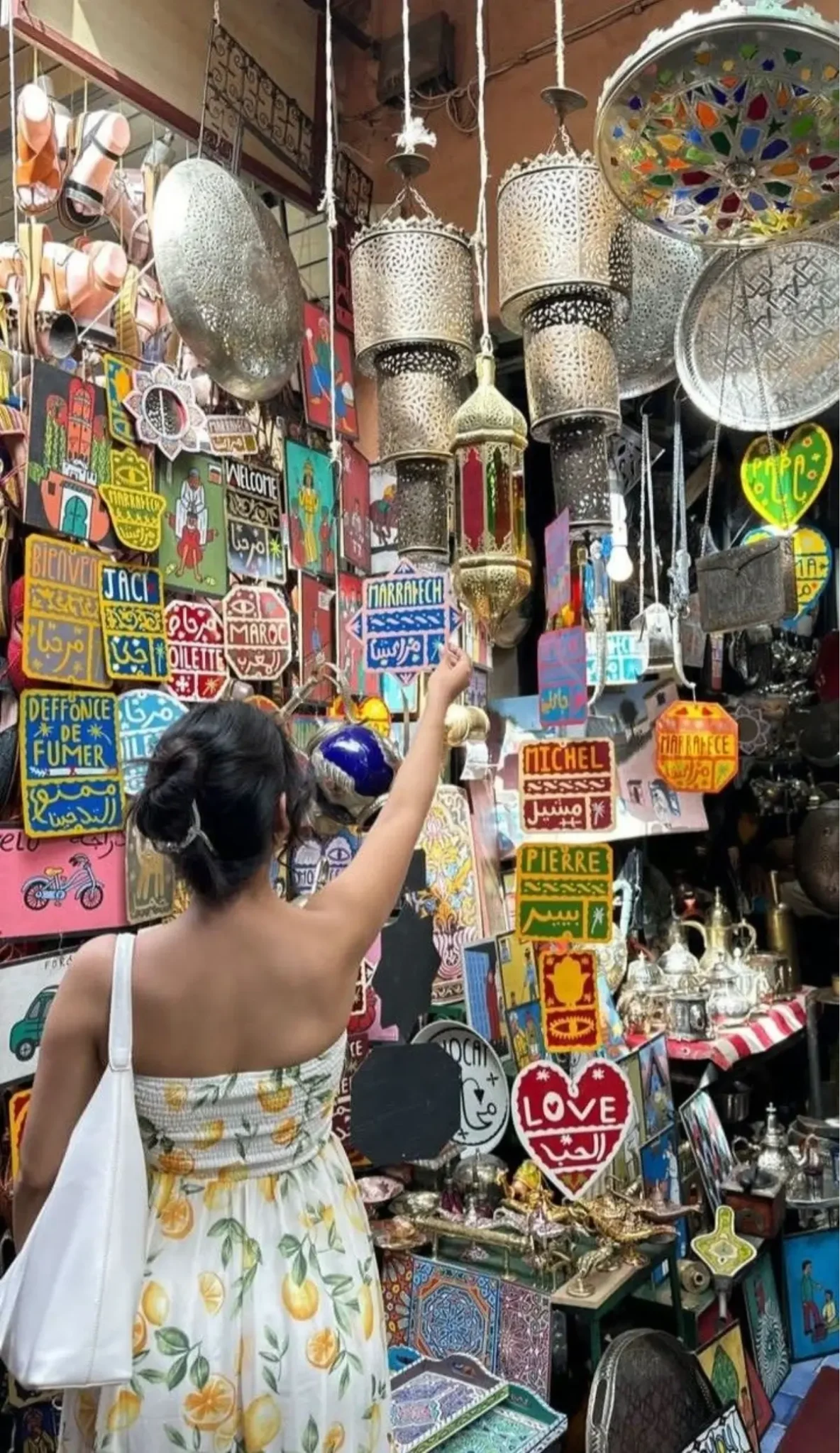
French also plays a major role in Morocco. Travelers often see French on menus, road signs, hotel information, websites, business documents, and tourist services. In many areas, French is useful for communication, especially in cities and professional settings.
English is becoming more common, especially among younger Moroccans and people working in tourism. In Marrakech, Fes, Casablanca, Agadir, and desert tour destinations, many guides, drivers, hotel staff, and restaurant teams speak English well enough to assist visitors.
Spanish is also present, especially in northern Morocco, in cities like Tangier, Tetouan, and Chefchaouen. Because of Morocco’s geography and history, Spanish still has influence in some regions.
So, if you are wondering what language do they speak in Morocco, the best answer is: Morocco speaks many languages, and each one tells part of the country’s story.
What Is the Official Language of Morocco?
Many travelers search for the Morocco official language before visiting the country. The answer is clear: the official languages of Morocco are Arabic and Amazigh. These two languages are central to the country’s national identity, history, and cultural diversity.
Arabic has a strong role in Morocco. It is used in government, schools, official documents, news, religion, and formal communication. Modern Standard Arabic is the written and formal version of the language. You may hear it on television, in official speeches, in newspapers, and in educational settings. It is different from the spoken Moroccan Arabic used in daily life, but it remains an important part of the language of Morocco.
Amazigh is also an official language of Morocco. It reflects the deep roots of the Amazigh people, who have lived in North Africa for thousands of years. Amazigh culture is visible in music, village life, clothing, architecture, crafts, names, and traditions. In many mountain areas, desert regions, and rural communities, Amazigh languages are part of everyday life.
The Morocco language identity is therefore not limited to Arabic only. It includes Amazigh as a living and official part of the country. This is important for travelers to understand because Morocco’s culture is not one single story. It is a blend of Arab, Amazigh, African, Mediterranean, Andalusian, and Saharan influences.
When you travel across Morocco, you may notice this diversity in a very natural way. In Marrakech, you may hear Darija and French. In the High Atlas Mountains, you may hear Amazigh. In Fes, you may hear Arabic in traditional settings. In Tangier, you may hear Spanish influences. In tourist areas, you may hear English more often.
So, if you ask what is the official language of Morocco, the answer is Arabic and Amazigh. But if you ask what language you will hear during your trip, the answer is much wider and more exciting.
Explore Morocco Without Language Barriers
Our local team helps you travel with clear communication and complete confidence.
What Language Do Moroccans Speak Every Day?
If you are wondering what language do Moroccans speak in everyday life, the answer is usually Darija. Darija is Moroccan Arabic, and it is the most common spoken language across the country. It is the language you will hear in markets, cafés, taxis, family conversations, street food stalls, local shops, and daily interactions.
Darija is part of the Morocco language experience that visitors notice quickly. It sounds different from the Arabic used in the Middle East because it has its own rhythm, vocabulary, and pronunciation. It includes influences from Amazigh, French, Spanish, and other languages. This makes Darija unique to Morocco and deeply connected to Moroccan identity.
For travelers, it is helpful to know that Darija is mostly a spoken language. Modern Standard Arabic is used more in formal writing, education, and official communication. Darija is what people use naturally when speaking with friends, family, neighbors, drivers, sellers, and local service providers.
You do not need to speak Darija to travel in Morocco. Many people working in tourism speak French, English, Spanish, or a mix of languages. Still, learning a few Darija words can make a big difference. Saying “Salam” for hello or “Shukran” for thank you often creates a friendly connection. Moroccans usually appreciate visitors who try to use local words, even if the pronunciation is not perfect.
The Morocco language you hear every day may also change depending on where you are. In Marrakech, Darija is everywhere, but French and English are common in tourism. In the Atlas Mountains, Amazigh may be spoken in villages. In the north, Spanish may be more familiar. In Casablanca, you may hear Darija, French, and English in the same day.
Darija gives Morocco much of its daily warmth. It is expressive, lively, and full of personality. For visitors, it is often one of the sounds that makes Morocco feel so memorable.
What Are the Languages Spoken in Morocco?
Many travelers ask what are the languages spoken in Morocco because the country feels linguistically diverse from the moment they arrive. The main languages you may hear are Arabic, Amazigh, Darija, French, English, and Spanish. Each one has a different role, and together they create the rich Morocco language landscape.
Arabic is one of the official languages and is used in formal settings, religion, education, media, and administration. Modern Standard Arabic appears in newspapers, official documents, and public communication. It is important, but it is not always the language people use in relaxed daily conversations.
Amazigh is the other official language of Morocco. It is spoken in different forms across the country, especially in the Atlas Mountains, the Rif region, the Souss region, and many rural communities. Amazigh is more than a language. It is a cultural identity with deep roots in Morocco’s history.
Darija is Moroccan Arabic and is the most common spoken language in daily life. If you walk through a souk, take a taxi, buy fresh orange juice, or speak with locals in a café, Darija is probably what you will hear. It is the everyday Morocco language that connects people across regions.
French is widely used in business, tourism, education, and many services. Menus, signs, hotel documents, and travel information often appear in French. Many Moroccans understand and speak French, especially in cities.
English is growing quickly, especially in tourism. Many young people and professionals use English with international visitors. In places like Marrakech, Fes, Agadir, Essaouira, and Merzouga, English is often available in hotels, tours, restaurants, and travel agencies.
Spanish is spoken more in northern Morocco and in areas with historical links to Spain. You may hear it in Tangier, Tetouan, Chefchaouen, and some coastal areas.
This variety makes communication in Morocco easier than many travelers expect. It also makes the country feel open, welcoming, and culturally rich.
Is French Spoken in Morocco?
Yes, French is widely spoken and understood in Morocco, especially in cities, business environments, education, tourism, hospitality, and administration. Although French is not the official language of Morocco, it plays a very important practical role in daily life. For many travelers, French can be one of the most useful languages to know during a trip.
The Morocco language experience often includes French in simple, everyday ways. You may see French on restaurant menus, hotel signs, shop windows, transport information, travel websites, brochures, invoices, and service descriptions. In Marrakech, Casablanca, Rabat, Fes, Agadir, and Essaouira, French is commonly used by hotel staff, restaurant teams, guides, shopkeepers, and drivers.
For travelers from France, Belgium, Switzerland, Canada, or other French-speaking countries, communication in Morocco can feel quite comfortable. Many services in the tourism industry are available in French. Guided tours, private transfers, excursions, and hotel assistance are often easy to arrange in French.
However, the level of French can vary depending on the region and the person. In large cities and tourist areas, French is usually more common. In small villages, mountain areas, or remote desert communities, Darija or Amazigh may be more common in daily conversation. Still, people working with travelers often know enough French to help with basic needs.
It is also important to understand that French is part of Morocco’s modern communication style, but it does not replace Arabic, Amazigh, or Darija. The Morocco language identity remains strongly rooted in local languages, while French functions as a practical bridge in many professional and travel situations.
If you speak French, you will likely find it helpful in Morocco. If you do not speak French, you can still travel comfortably, especially if you use English in tourist areas or travel with a local agency, guide, or driver who can assist with communication.
Do People Speak English in Morocco?
Yes, English is increasingly spoken in Morocco, especially in tourist destinations and among younger generations. While English is not the main Morocco language used in daily life, it has become much more common in hotels, restaurants, travel agencies, guided tours, airport services, and popular attractions.
In Marrakech, many people working in tourism speak English. This includes guides, drivers, riad staff, restaurant teams, activity providers, and shopkeepers in popular areas. Visitors can usually book excursions, ask for directions, order food, arrange airport transfers, and communicate basic travel needs in English.
English is also common in other major destinations such as Casablanca, Fes, Rabat, Agadir, Essaouira, Tangier, Chefchaouen, and the Sahara Desert regions. In places that receive international visitors, English is often part of daily work. Many young Moroccans also learn English through school, university, social media, films, music, and online content.
Still, the level of English can vary. In luxury hotels, professional agencies, and guided experiences, English is often strong. In local neighborhoods, small villages, traditional markets, or remote areas, English may be limited. In those situations, a few words in Darija or French can be useful. A smile, patience, and simple communication also go a long way.
The Morocco language environment is flexible. Many Moroccans are used to switching between languages depending on who they are speaking with. A conversation may include Darija, French, English, and gestures all at once. This can feel surprising at first, but it is part of the charm of traveling in Morocco.
If you are an English-speaking traveler, you do not need to worry too much. You can enjoy Morocco comfortably, especially in well-known destinations. For a smoother experience, booking with a local travel company can help you avoid language barriers when arranging transport, tours, restaurants, hotels, and cultural experiences.
Discover Morocco with Local Support
Explore Marrakech, the Atlas Mountains, the desert, and beyond with trusted local experts.
Is Spanish Spoken in Morocco?
Spanish is spoken in some parts of Morocco, especially in the north of the country. If you are traveling to Tangier, Tetouan, Chefchaouen, or areas close to the Mediterranean coast, you may find people who understand or speak Spanish. This is due to geography, history, trade, and cultural connections between Morocco and Spain.
Spanish is not the main Morocco language, and it is not an official language of the country. However, it has a visible presence in certain regions. In northern Morocco, some people use Spanish in daily communication, business, tourism, and local media. Travelers from Spain or Latin America may find Spanish useful in these areas.
You may also hear Spanish in tourist settings outside the north, especially in Marrakech, Fes, Essaouira, or desert tours, but it is usually less common than French or English. Some guides, drivers, and travel agencies offer Spanish-speaking services because many Spanish-speaking travelers visit Morocco every year.
For visitors, this means Spanish can be helpful, but it should not be the only language you depend on throughout the whole country. In Marrakech, French and English may be more useful for travel services. In rural areas, Darija or Amazigh may be more common. In the north, Spanish can be a strong advantage.
The Morocco language map changes depending on the region. That is why Morocco feels so culturally layered. In one journey, you may hear Darija in Marrakech, Amazigh in the Atlas Mountains, French in a hotel, Spanish in the north, and English on a guided tour. This mix reflects Morocco’s position between Africa, Europe, the Arab world, and the Atlantic.
If you speak Spanish, try using it in northern Morocco or with travel professionals who offer Spanish-speaking services. It may create friendly conversations and make your trip feel even more personal.
Useful Moroccan Words and Phrases for Travelers
Learning a few local words can make your trip more enjoyable. You do not need to master the Morocco language before visiting, but simple greetings and polite expressions can help you connect with people. Moroccans are known for hospitality, and even a small effort in Darija is often appreciated.
Here are some useful Moroccan words and phrases for travelers:
“Salam” means hello. It is one of the easiest and most common greetings in Morocco. You can use it when entering a shop, meeting a driver, greeting hotel staff, or starting a friendly conversation.
“Shukran” means thank you. This is one of the most useful words you can learn. Use it after receiving help, buying something, or thanking a guide or driver.
“Afak” means please. It is polite and useful when asking for something, ordering, or requesting help.
“Labas?” means how are you? It is a friendly question used in daily conversation.
“Bslama” means goodbye. You can use it when leaving a shop, restaurant, riad, or taxi.
“Naam” means yes, and “La” means no. These are simple but very helpful.
“Bghit” means I want. For example, you may hear it in shops or local conversations.
The Morocco language experience becomes more personal when you use even a few of these words. You may not pronounce everything perfectly, and that is completely fine. The goal is not perfection. The goal is connection.
In markets, a few words can make interactions warmer. In villages, greetings show respect. With drivers and guides, simple expressions can make communication friendlier. Many travelers remember these small exchanges as some of the best parts of their trip.
If you are traveling with children, learning Moroccan words can also be a fun way to prepare them for the journey. It helps them feel curious, respectful, and involved in the cultural experience.
Need Help Planning Your Morocco Trip?
Get a tailor-made itinerary with private transport, tours, and local guidance.
Do You Need to Speak Arabic to Visit Morocco?
No, you do not need to speak Arabic to visit Morocco. Many travelers explore the country every year without speaking Arabic, Darija, Amazigh, or French. Morocco is a very welcoming destination, and people working in tourism are used to helping international visitors from many countries.
That said, understanding the Morocco language situation can make your journey easier. If you visit major destinations such as Marrakech, Casablanca, Fes, Agadir, Essaouira, Rabat, Tangier, Chefchaouen, or Merzouga, you will usually find people who speak English, French, or Spanish in tourist areas. Hotels, riads, restaurants, private transport companies, guides, and tour providers often communicate with visitors in several languages.
In local markets, small villages, mountain areas, or remote places, English may be more limited. In these moments, a local guide or driver can be very helpful. They can translate, explain cultural details, help with purchases, and make the experience smoother. This is especially useful during excursions to the Atlas Mountains, desert trips, rural visits, and traditional souk experiences.
Speaking a few words of Darija is not required, but it is a beautiful gesture. A simple “Salam” or “Shukran” can make people smile. It shows that you respect the local culture and are interested in more than just sightseeing.
The language of Morocco should not be seen as a barrier. Instead, it is part of the adventure. Morocco is used to welcoming travelers from Europe, America, Asia, Africa, and the Middle East. Communication often happens through words, smiles, gestures, kindness, and hospitality.
If you want a stress-free experience, traveling with a local agency can make a big difference. A professional team can help organize airport transfers, private tours, excursions, hotels, restaurants, and cultural activities while making communication easier from arrival to departure.
Morocco Language and Travel:
Why Local Communication Matters
The Morocco language experience is not only about words. It is about connection, culture, and the way people welcome you. When you travel in Morocco, communication shapes many moments of your trip. It can affect how you bargain in the souks, how you understand local traditions, how you speak with your driver, and how you discover hidden places away from the usual tourist path.
In Marrakech, language helps you enjoy the energy of the medina. A guide can explain the history of the souks, the meaning of local crafts, and the stories behind monuments. In the Atlas Mountains, language helps you connect with Amazigh villages and understand mountain traditions. In the desert, language helps you appreciate nomadic culture, music, hospitality, and local life.
This is why the Morocco language topic matters for travelers. When you understand which languages are spoken and where they are used, you feel more confident. You know that French can help in many services, English is common in tourism, Darija is used in daily life, Amazigh is important in many communities, and Spanish may help in the north.
Local communication also helps travelers avoid misunderstandings. With the support of a local agency, guide, or driver, you can ask questions, understand prices, manage timing, confirm meeting points, and enjoy your trip with less stress. This is especially important for private transfers, day trips, desert tours, family tours, and special events.
At Travel Plans Marrakech, local knowledge is part of the travel experience. A well-organized journey is not only about transport and activities. It is also about making guests feel comfortable, informed, and welcome. Language plays a big role in that.
The language of Morocco is part of the country’s beauty. It reflects history, diversity, and hospitality. When you listen to it, learn from it, and use a few simple words, your journey becomes richer and more authentic.
Travel Morocco with Confidence
Enjoy private transfers, professional drivers, local guides, and stress-free travel.
Conclusion :
Morocco Language Guide for a Better Travel Experience
The Morocco language story is rich, diverse, and deeply connected to the country’s identity. Morocco is not defined by one single language. It is a multilingual country where Arabic, Amazigh, Darija, French, English, and Spanish all have their place. Each language reflects a different part of Morocco’s history, culture, geography, and daily life.
If you are asking what language do they speak in Morocco, the simple answer is that Arabic and Amazigh are the official languages. But the real travel answer is broader. Moroccans often speak Darija in daily life. French is widely used in business, tourism, restaurants, hotels, and services. English is becoming more common in popular destinations and among younger people. Spanish can be useful in northern Morocco and with Spanish-speaking travel professionals.
This Morocco language guide shows that visitors do not need to worry about communication. You can travel comfortably in Morocco, especially if you visit major cities, book organized tours, or work with a local agency. Many tourism professionals are used to welcoming guests from around the world and can communicate in several languages.
Still, learning a few Moroccan words can make your trip more special. Simple expressions like “Salam,” “Shukran,” and “Bslama” can create warm moments and show respect for local culture. These small efforts often lead to smiles, kindness, and better connections.
The language of Morocco is more than a practical travel detail. It is part of the atmosphere you will remember: the voices in the souks, the greetings in the mountains, the conversations with drivers, the songs in the desert, and the hospitality in every region.
If you want to explore Morocco with comfort and confidence, Travel Plans Marrakech can help you organize private transfers, guided tours, excursions, desert trips, and tailor-made experiences. With local support, your journey becomes smoother, easier, and more meaningful from the first welcome to the final goodbye.
FAQs
Everything You Need to Know About Morocco Language Before Your Trip
What is the main Morocco language?
The main Morocco language used in daily life is Darija, also called Moroccan Arabic. It is spoken in homes, markets, cafés, taxis, shops, and everyday conversations. However, Arabic and Amazigh are the official languages of Morocco, while French is widely used in tourism, business, and many city services.
What language do they speak in Morocco?
People in Morocco speak several languages, including Darija, Arabic, Amazigh, French, English, and Spanish in some regions. Darija is the most common spoken language in daily life. Arabic and Amazigh are the official languages, while French and English are often used in tourism.
What language is spoken in Morocco by tourists and locals?
Locals mostly speak Darija in daily life, while Amazigh is spoken in many regions, especially in mountain and rural areas. Tourists can often communicate in French or English in hotels, restaurants, travel agencies, guided tours, and popular destinations like Marrakech, Fes, Casablanca, Agadir, and Essaouira.
Do I need to speak Arabic to visit Morocco?
No, you do not need to speak Arabic to visit Morocco. In tourist areas, many people speak French, English, or Spanish. Still, learning a few Morocco language basics like “Salam” for hello and “Shukran” for thank you can make your trip friendlier and more authentic.
Get In Touch
Error: Contact form not found.
Contact Us
Phone / Fax: +212 5 24 32 66 88
Mobile: +212 6 08 85 10 10
Whatsapp: +212 6 08 87 20 20
Email: travelplansmarrakech@gmail.com
Opening Hours
Mon - Sat: 9.00 am - 8.00 pm
Sunday: 9.00 am - 6.00 pm
Our Office
13 bis talaint ain itti nakhil nord، 40060 Marrakech


 EN
EN FR
FR ES
ES IT
IT