

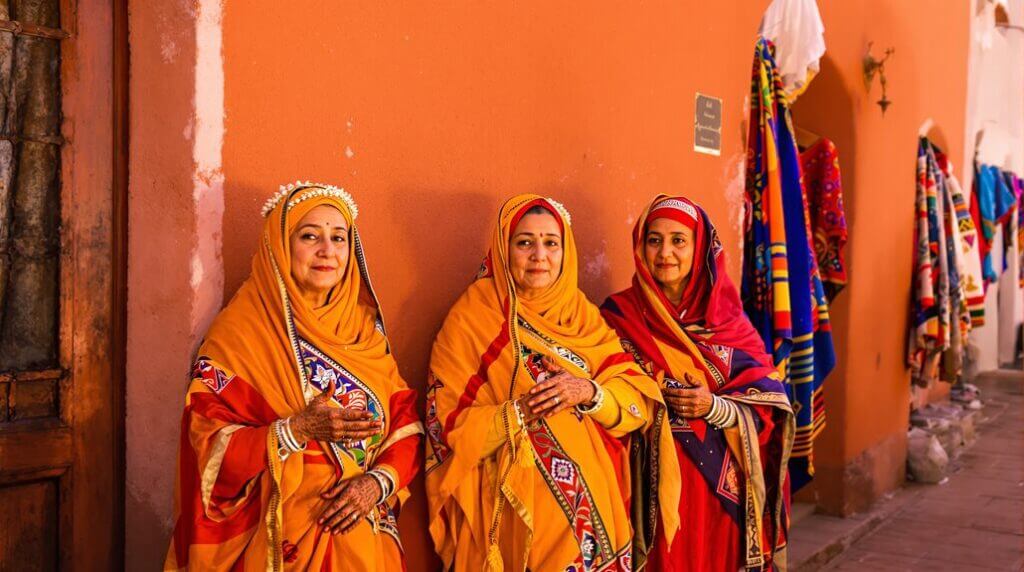
Ask a Moroccan what they are, and you might get several answers at once: Moroccan first, then Amazigh (Berber) or Arab, often both. That layered identity is the real story of the Moroccan people — a population shaped by thousands of years of indigenous Amazigh history, centuries of Arab migration, Andalusian heritage from Muslim Spain, Sub-Saharan African roots, and a modern national identity that holds all of it together. Here’s a clear, respectful guide to who Moroccan people are, where their heritage comes from, and what defines Moroccan culture today.
⚡Risposta rapida
Moroccan people are primarily of Amazigh (Berber) and Arab heritage, often mixed after thirteen centuries of shared history, with additional Andalusian, Sub-Saharan African, and Sahrawi influences. Morocco's 2011 constitution officially recognizes all of these components as part of the national identity, and both Arabic and Tamazight (Berber) are official languages.
Who Are the Moroccan People?
Morocco is home to over 37 million people, and while roughly 99% of the population identifies broadly as Arab-Berber, that single statistic hides a much richer picture. Modern Moroccan identity comes from centuries of ethnic convergence rather than one single origin: indigenous Amazigh communities, Arab tribes who arrived starting in the 7th century, Andalusian families who fled Spain after the Reconquista, Sub-Saharan African communities connected through historic trans-Saharan trade routes, and Sahrawi people from Morocco’s south. Most Moroccan families carry more than one of these threads in their ancestry, which is exactly why national identity, rather than a single ethnic label, is what unites the country.
The Amazigh (Berber) People — Morocco's Indigenous Population
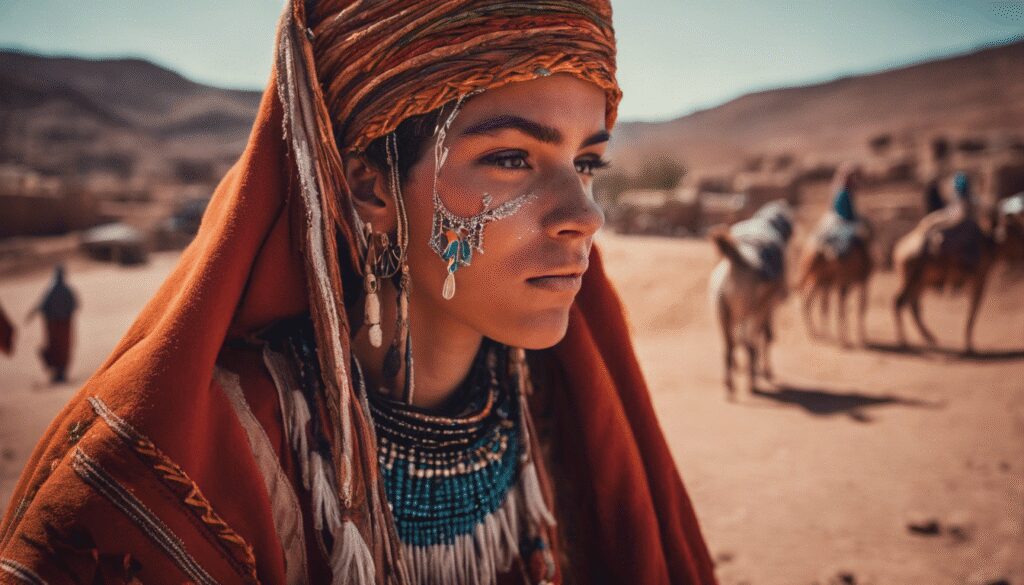
The Amazigh, commonly known outside Morocco as Berbers, are North Africa’s indigenous people, with a documented presence in the region stretching back roughly 4,000 years. “Amazigh” translates loosely to “free people,” and Amazigh communities have historically been concentrated in Morocco’s mountainous regions — the Rif in the north, and the Middle and High Atlas further south — as well as parts of the Sahara. Amazigh culture has its own languages (Tarifit, Tamazight, and Tashelhit, depending on the region), its own script (Tifinagh), distinct textile and jewelry traditions, and a deep connection to rural, mountain, and desert life that remains visible today in villages across the montagne dell’Atlante.
The Amazigh (Berber) People
- Indigenous to North Africa for roughly 4,000 years
- Name means "free people" in Tamazight
- Three main regional languages: Tarifit, Tamazight, Tashelhit
- Tamazight became an official language of Morocco in 2011
- Historically concentrated in the Rif and Atlas Mountains
Arab Influence and Moroccan Identity
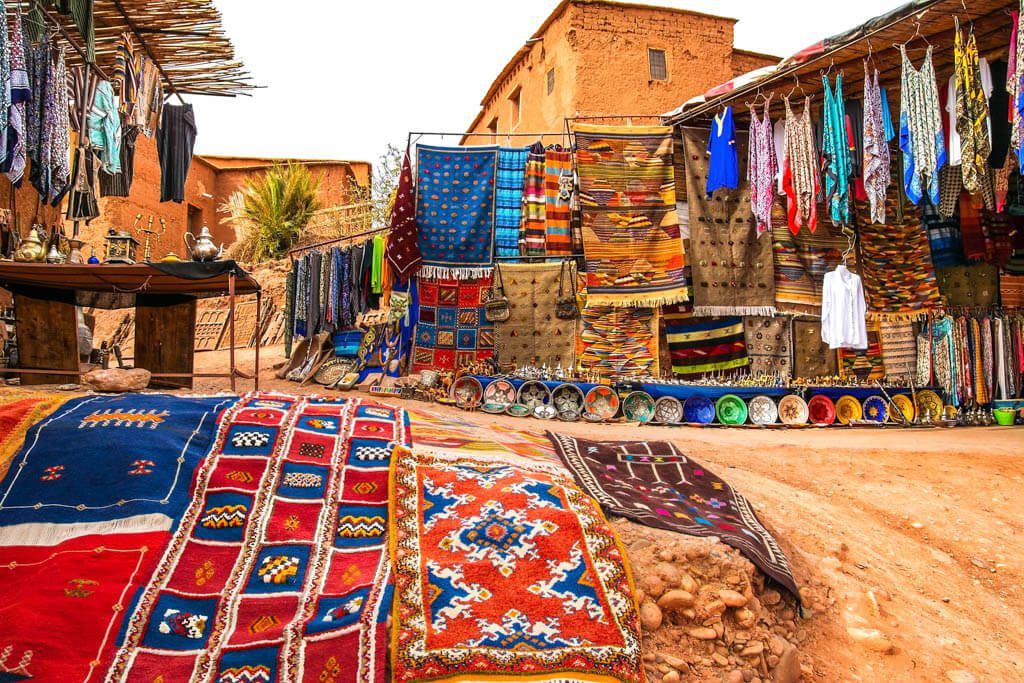
Arab tribes began arriving in Morocco in the late 7th century, bringing Islam and, over time, the Arabic language, which spread widely through the population over the following centuries. Extensive intermarriage between Amazigh and Arab communities means the two identities are deeply intertwined today rather than sharply divided — most Moroccans describe their heritage as a blend of both, and everyday spoken Arabic in Morocco (Darija) itself carries a heavy Amazigh linguistic influence. This is part of why Morocco is considered an Arab country by language and religion, while remaining, at its roots, an Amazigh land.
Morocco's Cultural Mosaic: Andalusian, Sub-Saharan, and Sahrawi Heritage
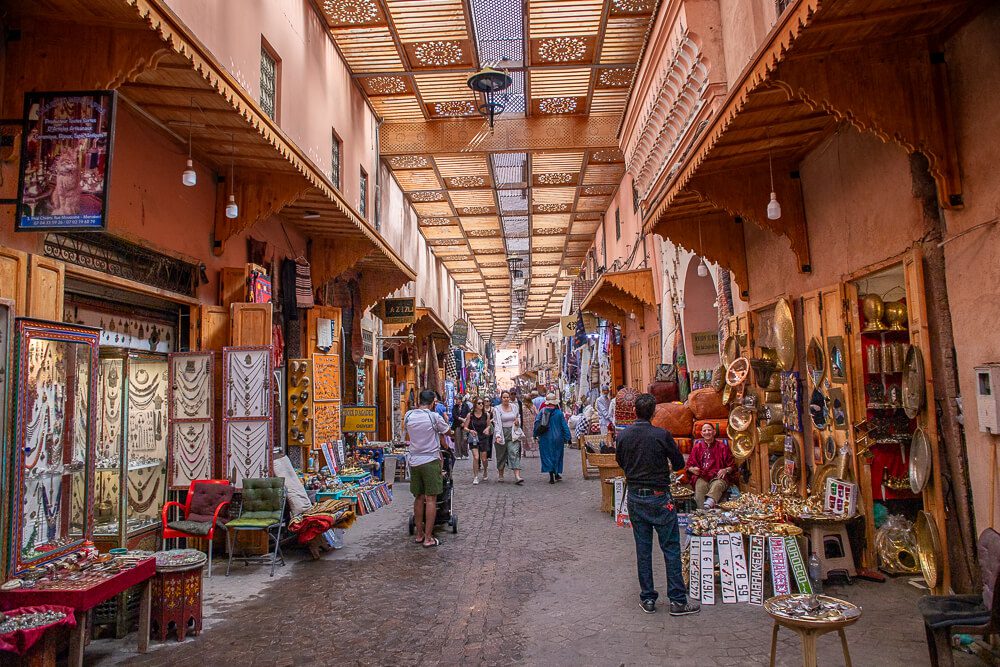
Beyond the Amazigh-Arab foundation, several other communities have shaped Moroccan identity. Andalusian families arrived over centuries, particularly after the fall of Muslim Spain, bringing architecture, music, and culinary traditions still visible in cities like Fez and Rabat today. Sub-Saharan African heritage runs through communities like the Gnaoua, historically connected to trans-Saharan trade and known for their distinctive spiritual music tradition, now recognized as part of Morocco’s intangible cultural heritage. In the south, Sahrawi communities contribute their own Hassani dialect and desert traditions. Morocco also had, until the mid-20th century, one of the largest Jewish populations in the Arab world, and that heritage remains visible in historic mellahs and active synagogues in several cities.
Layers of Moroccan Identity: Amazigh (indigenous) · Arab (from the 7th century) · Andalusian (from Muslim Spain) · Sub-Saharan African (Gnaoua, Haratin) · Sahrawi (southern desert communities) · Jewish (over 2,000 years of history in Morocco).
What Do Moroccans Look Like?
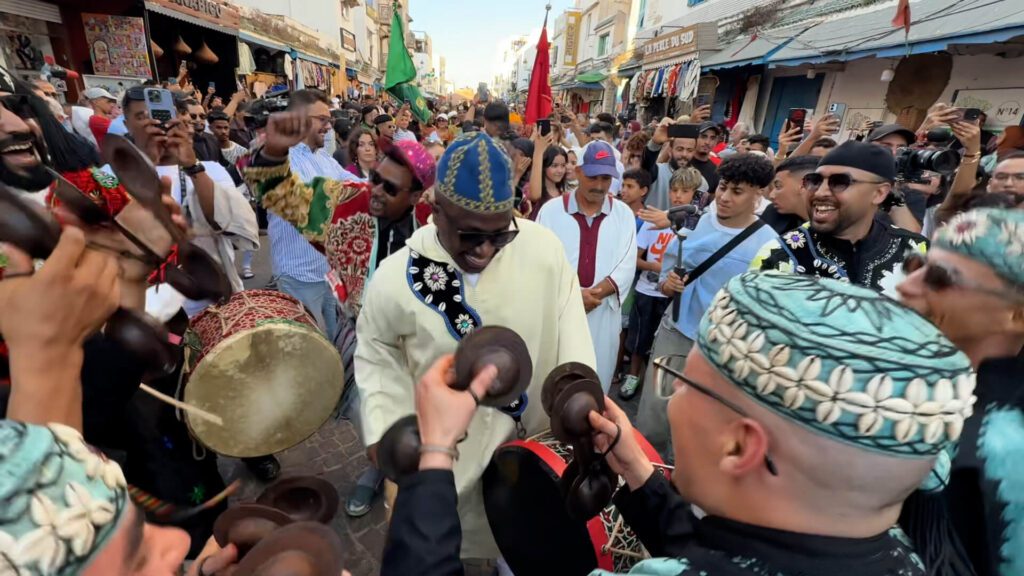
This is one of the most commonly searched questions about Moroccan people, and the honest answer is: there’s no single look, because there’s no single origin. Morocco’s population reflects its layered heritage — Amazigh, Arab, Andalusian, Sub-Saharan African, and Sahrawi — and physical appearance varies considerably by region and family background, the same way it does across most of the Mediterranean and North Africa. You’ll find visible diversity across the country, particularly between mountain, coastal, and southern communities. What unites Moroccan people isn’t a shared physical appearance, but a shared national identity, language, and set of cultural values.
Moroccan Languages
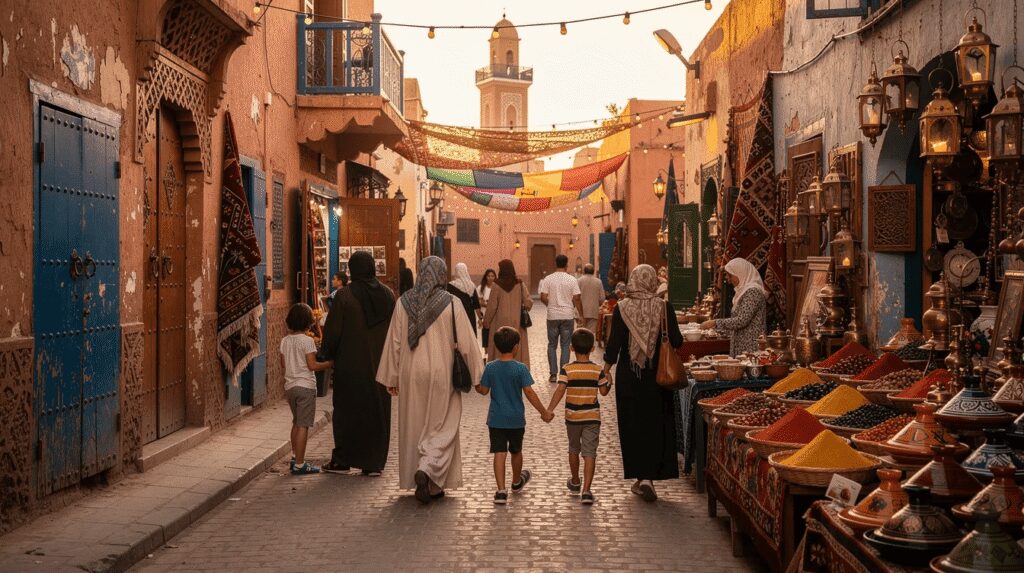
Morocco’s linguistic landscape mirrors its ethnic one. Arabic is the official language, but most Moroccans speak Darija, the Moroccan Arabic dialect, in daily life rather than Modern Standard Arabic. Since 2011, Tamazight (the Berber language) has also held official status, spoken across its three regional variants. French remains widely used in business, government, and higher education, a legacy of the French protectorate era, while Spanish is common in the north near the former Spanish protectorate zones. It’s not unusual for a Moroccan to move between three or four of these languages within a single conversation.
Moroccan Traditions, Hospitality, and Family Life
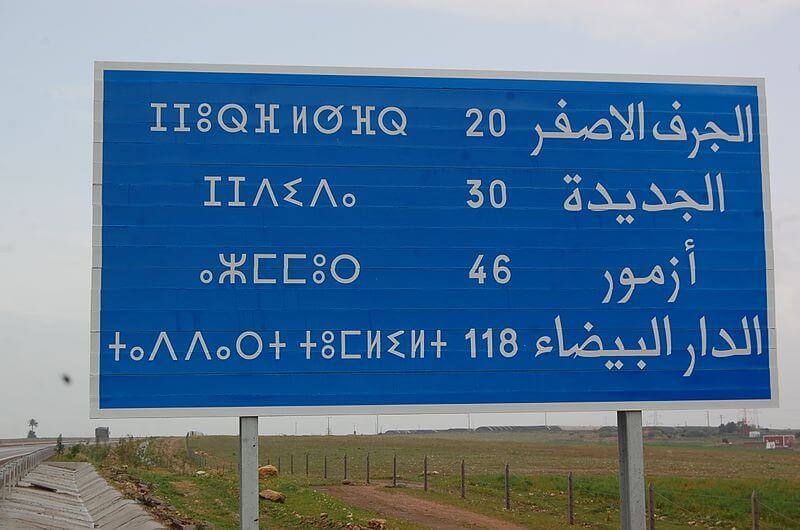
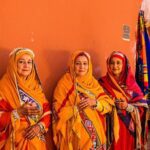
If there’s one trait travelers consistently mention about Moroccan people, it’s hospitality. Sharing mint tea with guests, offering food generously even to strangers, and welcoming visitors into homes and villages is a deeply held cultural value across Morocco’s regions and ethnic communities alike. Family life remains central to Moroccan society — multi-generational households are common, especially outside major cities, and social life is built around shared meals, religious observance, and community events. Traditional dress (the djellaba, the kaftan), music, and craftsmanship, from Amazigh rug weaving to Fez’s ceramic work, remain active, living traditions rather than museum pieces.
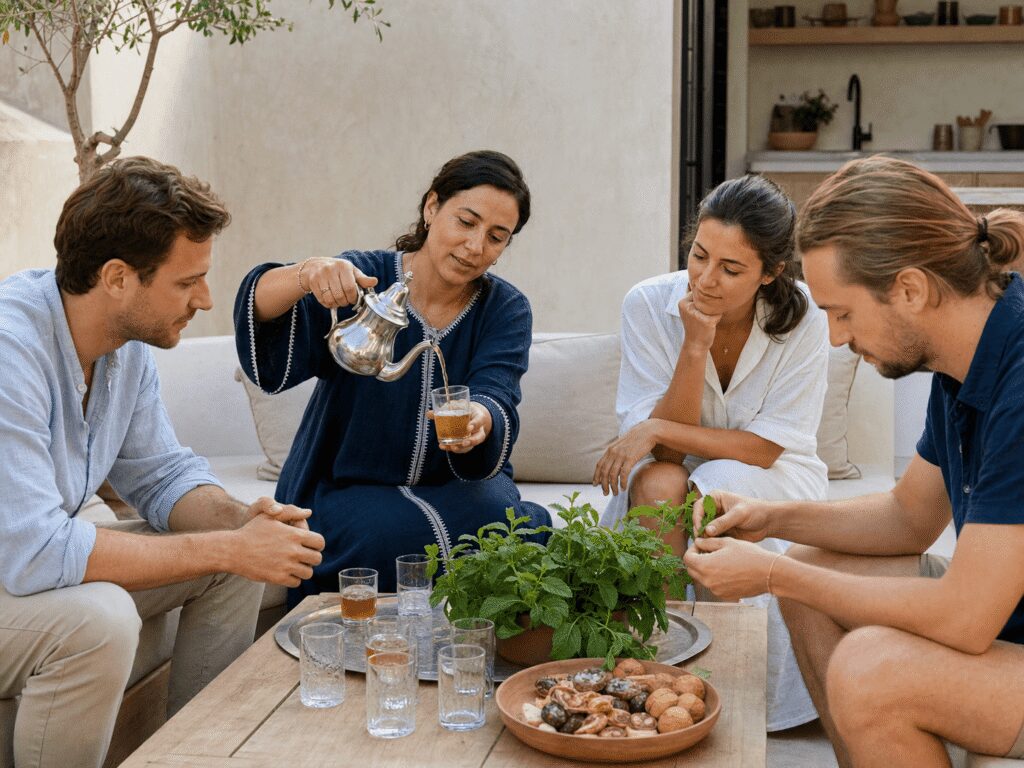
💡 Consiglio utile: The best way to actually meet Moroccan people, rather than just pass through their cities, is a visit to an Amazigh village in the Atlas Mountains, where sharing mint tea with a local family is often part of the experience.
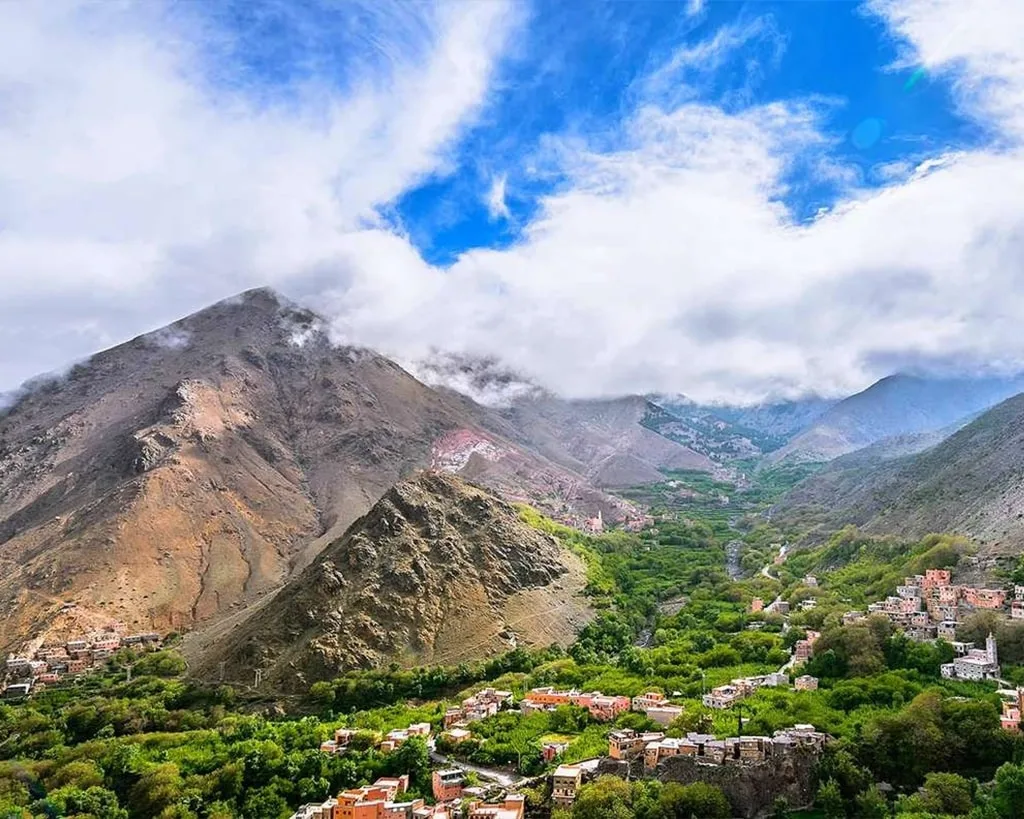 Day Trip
Authentic Berber Villages in the Atlas Mountains
Walk through the Atlas foothills, share mint tea with a local family, and see mountain life far from the tour buses.
A partire da
€15 / person
Domande frequenti
Are Moroccan people Arab or Berber?
Most Moroccans are of mixed Amazigh (Berber) and Arab heritage rather than purely one or the other. After centuries of intermarriage, the two identities are deeply intertwined, and Morocco's constitution officially recognizes both as core components of national identity.
What is the difference between Berber and Moroccan?
"Berber," or Amazigh, refers to Morocco's indigenous ethnic group, while "Moroccan" refers to nationality. Not all Moroccans are Amazigh, but Amazigh people are Moroccan, alongside Arab, Andalusian, Sub-Saharan, and Sahrawi Moroccans.
What do Moroccans look like?
There's no single appearance, since Morocco's population descends from multiple heritages — Amazigh, Arab, Andalusian, Sub-Saharan African, and Sahrawi — and appearance varies by region and family background across the country.
What languages do Moroccan people speak?
Most Moroccans speak Darija (Moroccan Arabic) daily, alongside Tamazight in many regions. French is widely used in business and education, and Spanish is common in the north.
Are Moroccan people welcoming to tourists?
Yes. Hospitality is one of the most consistently noted traits of Moroccan culture across ethnic communities, often expressed through mint tea, generous food sharing, and warmth toward visitors.
 EN
EN FR
FR ES
ES IT
IT