

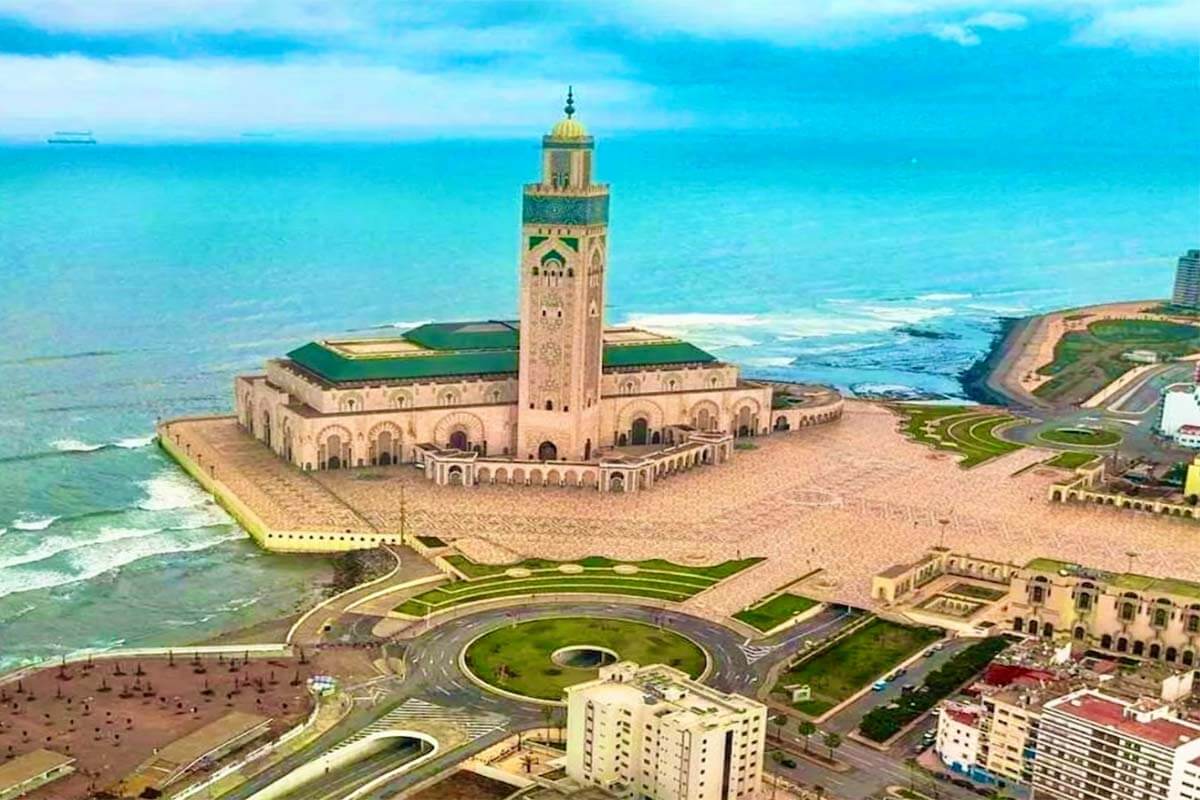
If you’re planning a stop in Morocco’s largest city, “is Casablanca safe?” is probably the first question on your mind — and it’s a fair one. Casablanca is a sprawling, modern metropolis of over 3 million people, very different from the postcard medinas of Marrakech or Fez, and that scale naturally raises questions. The short answer is yes, Casablanca is safe for tourists who take normal big-city precautions — but the honest answer has more nuance than that. Here’s a clear, accurate breakdown of Casablanca’s real safety picture: crime, safe neighborhoods, transport, nightlife, and what solo and female travelers should specifically know.
⚡Respuesta rápida
Yes, Casablanca is generally safe for tourists. Violent crime against visitors is rare; the real risks are petty theft, overcharging scams, and street harassment — the same big-city precautions you'd take in Madrid or Lisbon apply here. The U.S. State Department rates Morocco Level 2: Exercise Increased Caution, mainly due to general terrorism risk across the country, not specific threats to tourists in Casablanca.
Is Casablanca Safe? The Real Picture
Casablanca is Morocco’s economic capital, and it functions like one: business towers, a working port, dense traffic, and a genuinely modern pace of life. That’s a different experience from the tourist-oriented medinas of Marrakech or Chefchaouen, which can make first-time visitors feel less immediately “held” by tourism infrastructure. In practice, the safety reality is similar to any major world city — most visits are completely trouble-free, and the issues that do come up are overwhelmingly non-violent: petty theft in crowded areas, taxi overcharging, and persistent street vendors rather than anything more serious.
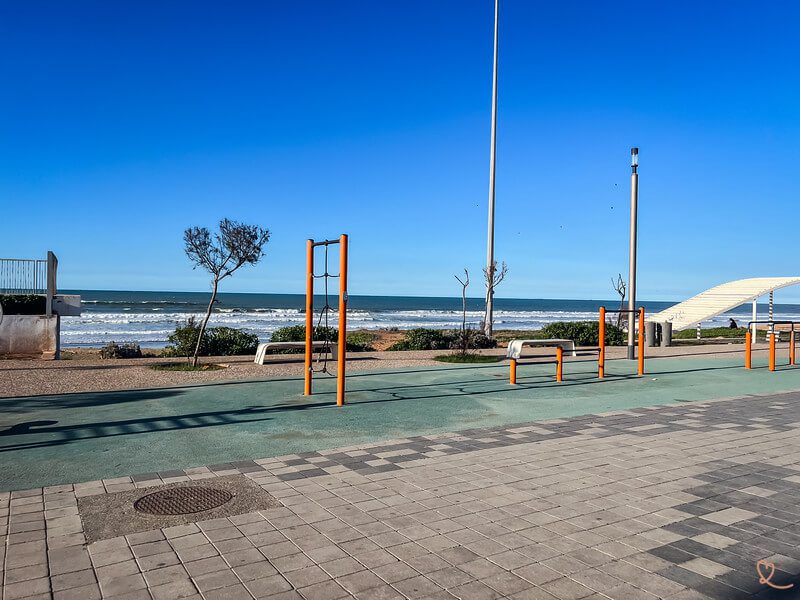
What Is the Official Travel Advisory for Casablanca?
As of the U.S. State Department’s most recent Morocco travel advisory, the country sits at Level 2: Exercise Increased Caution, mainly citing the general possibility of terrorism targeting tourist locations, transportation hubs, and markets nationwide, rather than any specific, current threat in Casablanca. This puts Morocco in the same advisory tier as popular European destinations like France. It’s not a recommendation to avoid travel — it’s a call for standard vigilance in crowded public spaces, which is sound advice in any major city.
Official Advisory Snapshot
- U.S. State Dept: Level 2 – Exercise Increased Caution (same tier as France)
- Main concern cited: general terrorism risk, not tourist-targeted crime
- Register your trip with the U.S. STEP program for real-time alerts
- U.S. Consulate General is located in Casablanca itself
- Always check travel.state.gov before departure for the latest update
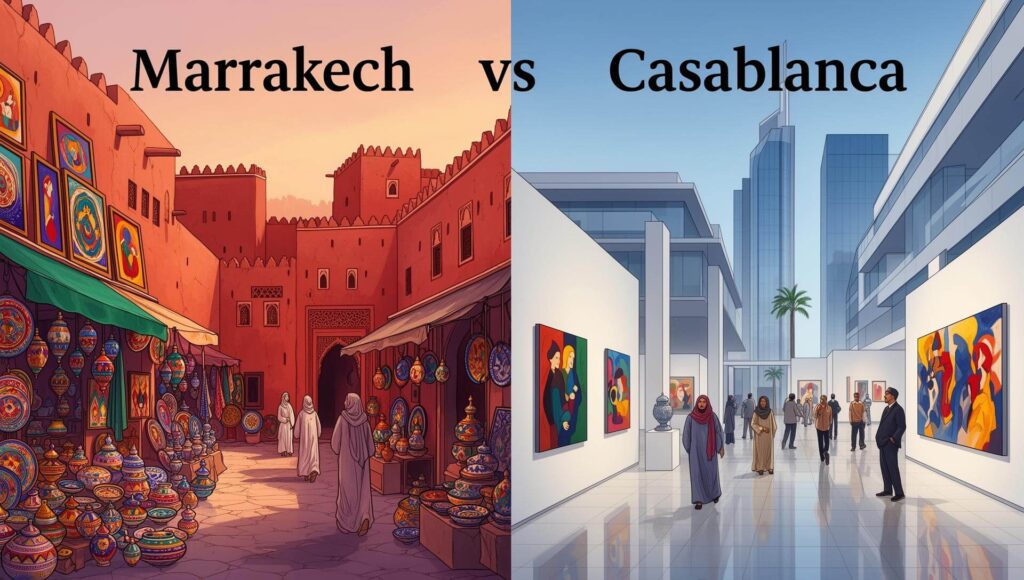
Casablanca or Marrakech — Which Is Safer?
This is one of the most common questions travelers ask when planning a Morocco itinerary, and the honest answer is that both cities are safe by normal precaution standards, but they feel different. Marrakech has a heavier tourist-police presence and a tourism infrastructure built specifically around visitors, which can make it feel more “held” for first-timers, especially inside the Medina. Casablanca is less geared toward tourism and more toward business and daily Moroccan life, so it can feel more anonymous — which isn’t unsafe, just less curated. If your priority is ease and reassurance, Marrakech edges ahead; if you want a more authentic look at modern, working Morocco, Casablanca is genuinely worth the stop.
Safe Neighborhoods in Casablanca (and Areas to Be Cautious In)
Casablanca’s safety, more than most cities, depends heavily on which neighborhood you’re in. For tourists and business travelers, Gauthier, Anfa, y Maarif are consistently the most comfortable areas to stay and walk around, day or night — they’re well-lit, busy with locals and cafés, and close to restaurants and shopping. The Corniche waterfront is another reliably safe, popular area, especially in the evening when it’s busiest. On the other end, the Old Medina at night and the outer neighborhood of Sidi Moumen are generally best avoided after dark, or visited with a local guide if you’re set on seeing them.
📍 Where to Stay & Walk
Comfortable, well-monitored areas: Gauthier, Anfa, Maarif, the Corniche, downtown near the Hassan II Mosque.
Use extra caution, especially after dark: the Old Medina at night, Sidi Moumen.
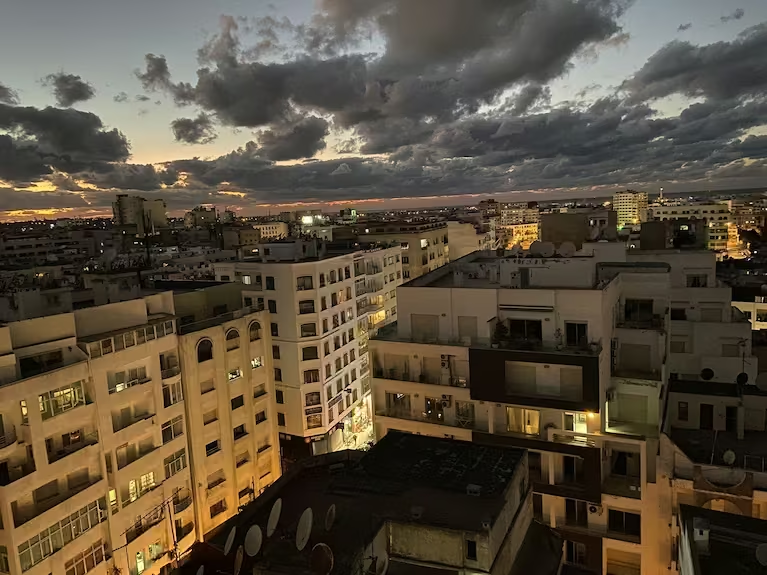
Common Scams and Petty Crime in Casablanca
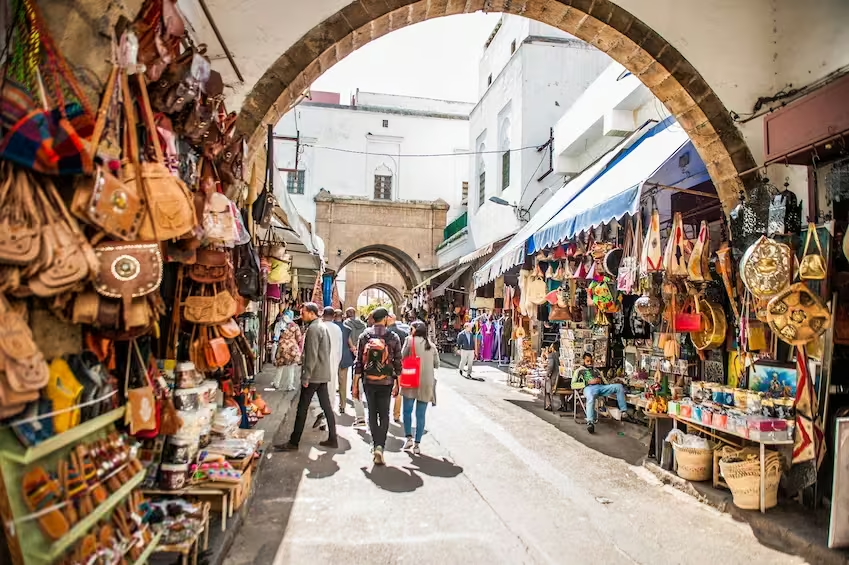
The most realistic safety concern in Casablanca isn’t violent crime — it’s petty theft and overcharging scams, both of which are avoidable with a bit of awareness. Pickpocketing and phone-snatching happen occasionally in crowded markets and busy public transport, so keep bags zipped and phones out of back pockets. Unofficial “guides” sometimes approach tourists near landmarks offering to show them around, then demand a large payment afterward; a polite, firm “no thank you” and continuing to walk usually ends it. Taxi drivers occasionally avoid using the meter to overcharge tourists — insisting on the meter before the ride starts, or agreeing on a price in advance, solves this every time.
⚠️ Common Scams to Know: Unsolicited "guides" near tourist sites who demand payment afterward, taxi drivers refusing the meter, and street vendors handing you an item as a "gift" before asking for money. None of these are dangerous — just say no and keep moving.
Getting Around Casablanca Safely
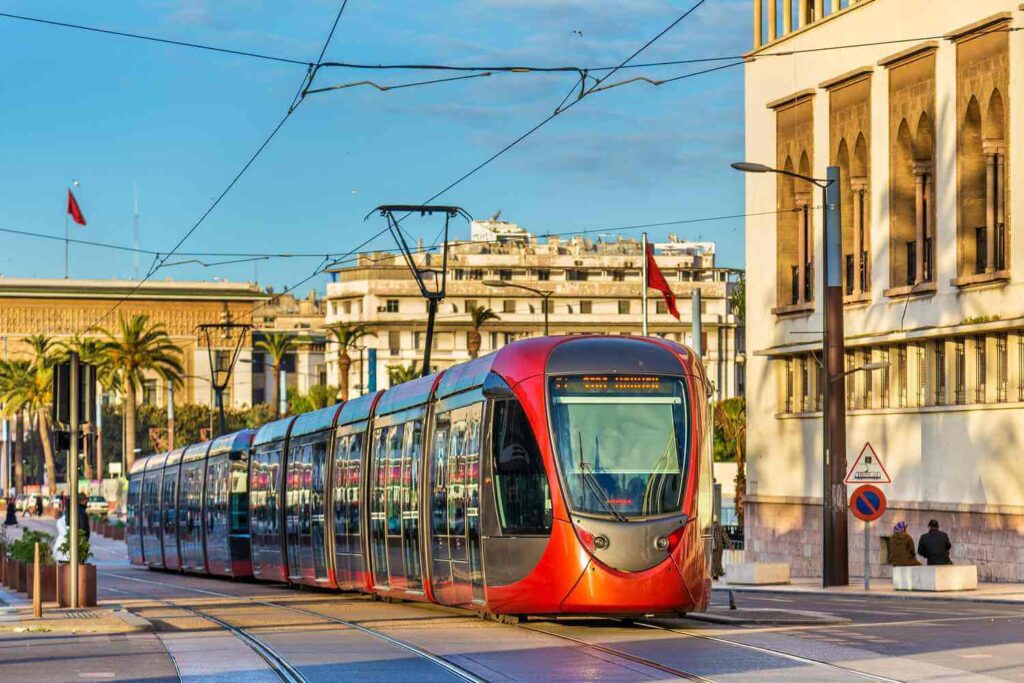
Casablanca’s overground tram is the safest and most straightforward way to get around for tourists — efficient, inexpensive, and well used by locals during the day. Red “petit” taxis are also generally safe, though always insist on the meter or agree on a fare upfront to avoid overcharging. City buses are best skipped as a tourist; they’re often overcrowded and not well suited to visitors unfamiliar with the routes. For longer trips between cities, CTM intercity buses are a safe, reliable option, and private transfers remain the most comfortable and predictable choice, particularly for airport arrivals or the Casablanca–Marrakech route.
💡 Consejo práctico: If you're arriving late at night or traveling between Casablanca and Marrakech, book a private transfer in advance rather than negotiating a taxi at the airport — it removes the metering issue entirely and gets you straight to your hotel.
Is Casablanca Safe for Solo and Female Travelers?
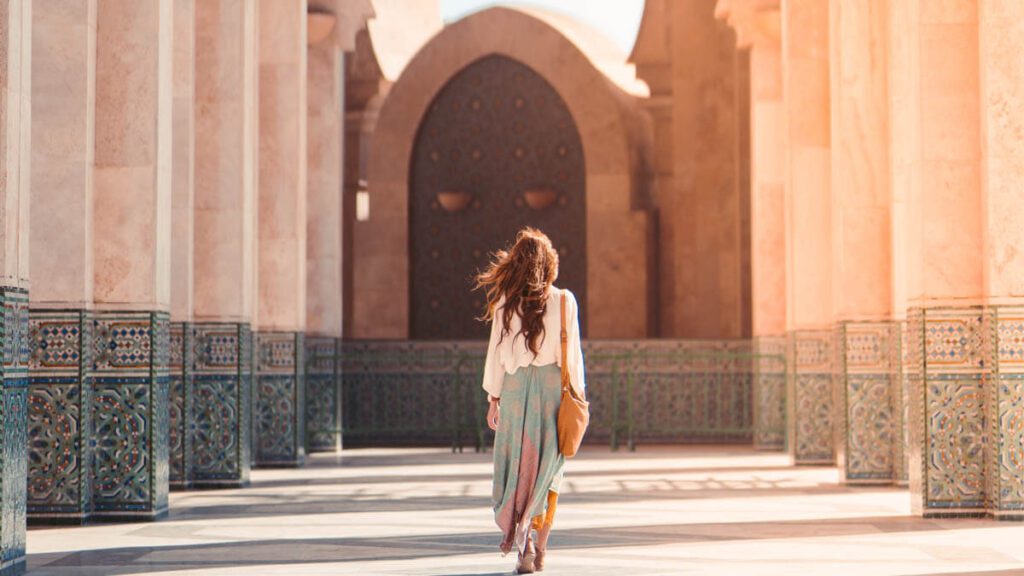
Casablanca is generally considered safe for solo and female travelers, and it’s one of Morocco’s more liberal, cosmopolitan cities. That said, verbal harassment — staring, comments, unwanted attention — is a real and common experience for women, particularly in crowded areas, the old Medina, and on public transport, even if it rarely escalates beyond words. Dressing modestly, avoiding poorly lit streets alone at night, and using a rideshare app or a pre-booked private driver rather than hailing taxis late at night all go a long way. Areas like Anfa and the Corniche tend to feel the most comfortable for solo women exploring independently.
What Is There to Do in Casablanca?
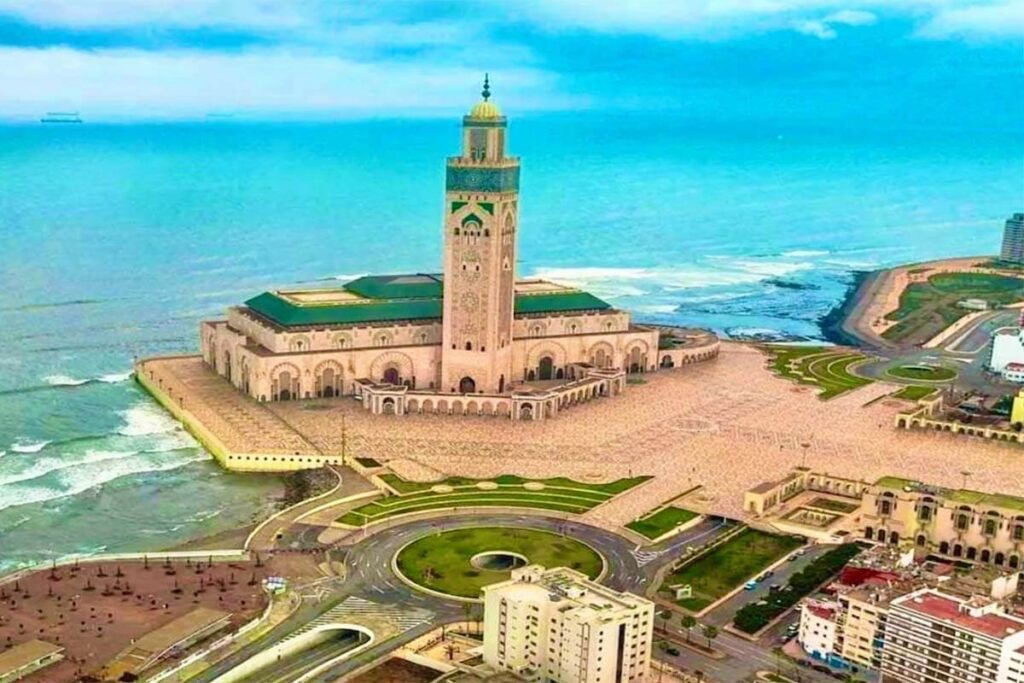
Casablanca isn’t as “postcard Moroccan” as Marrakech or Chefchaouen, but it earns its place on an itinerary. The Hassan II Mosque is the city’s headline attraction and one of the only mosques in Morocco open to non-Muslim visitors on a guided tour. Beyond that, the Corniche waterfront is excellent for an evening stroll or dinner by the Atlantic, the Art Deco downtown reflects the city’s French colonial-era architecture, and the old Medina, while smaller and less famous than Marrakech’s, is still worth a daytime walk. For a deeper comparison of what each city offers, our guide on whether Casablanca is worth visiting breaks this down further.
Casablanca Nightlife — Is It Safe to Go Out?
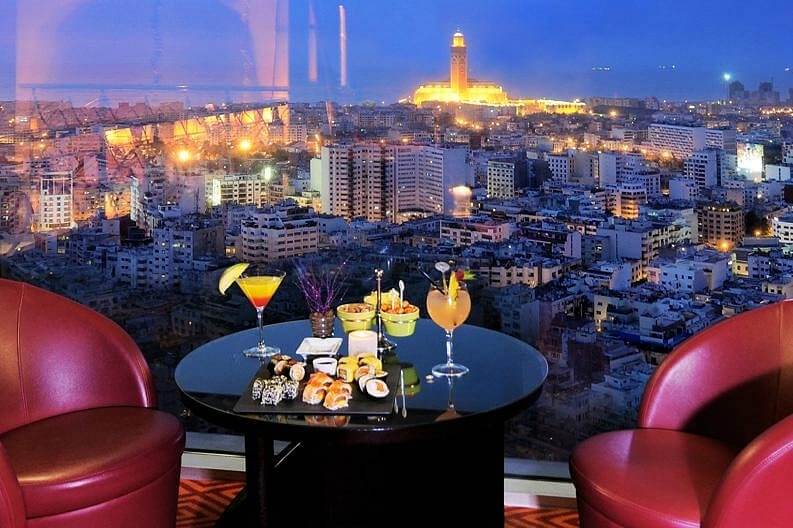
Casablanca has Morocco’s most developed nightlife scene, largely concentrated in Gauthier, Maarif, and along the Corniche, with lounges, cocktail bars, and a handful of well-known nightclubs. This nightlife is generally safe when treated with normal precautions: stick to established, licensed venues, arrange your ride home in advance rather than hailing a taxi outside a club at 3 AM, and keep an eye on your drink, as you would in any city with a bar and club scene. Same-sex relationships remain illegal in Morocco, so LGBTQ+ travelers should be aware of local norms and exercise discretion, even in Casablanca’s more liberal nightlife spaces.
Skip the Taxi Guesswork
Fixed price. No meter tricks. Your driver's waiting with a sign.
Preguntas frecuentes
Is Casablanca safe to visit right now?
Yes. Casablanca is generally safe for tourists in 2026. Violent crime against visitors is rare, and most safety concerns are limited to petty theft and scams, which are avoidable with standard precautions.
Is Casablanca, Morocco safe compared to other big cities?
Casablanca's crime levels are considered moderate compared to many major global cities, often rated safer than or comparable to other large cities of similar size.
Is it safer to visit Casablanca or Marrakech?
Both are safe with normal precautions. Marrakech has more tourist-focused infrastructure and a heavier tourist-police presence; Casablanca feels more like a working Moroccan city.
Is Casablanca nightlife safe?
Yes, generally. Stick to licensed bars and clubs in areas like Gauthier and Maarif, arrange transport home in advance, and use normal nightlife caution.
What is the biggest safety risk for tourists in Casablanca?
Petty theft, taxi overcharging, and unsolicited "guide" scams near tourist sites are the most common issues, not violent crime, which remains rare against tourists.



 EN
EN FR
FR ES
ES IT
IT